November 11, 2026
Wild animals can become serious concerns when they enter residential properties and establish nests in attics, basements, crawl spaces, or other sheltered areas. Although wildlife plays an important role in natural ecosystems, animals living inside homes may create health hazards, damage building materials, and compromise household safety. Rodents, raccoons, squirrels, bats, and other animals can introduce contaminants, damage insulation, and attract additional pests. Addressing these problems requires more than encouraging unwanted visitors to leave. Professional wildlife removal helps homeowners identify animal activity, address existing infestations, and reduce future problems.
Reducing Exposure to Wildlife-Related Diseases
Wild animals can carry bacteria, viruses, and parasites that may pose health risks to humans. Rodents, raccoons, and bats are associated with different diseases, and exposure may occur through bites, scratches, contaminated materials, or bodily waste. Even when animals remain hidden inside walls or attics, their presence can create sanitation concerns. Families with young children, older adults, or individuals with weakened immune systems may need additional precautions when wildlife activity is suspected.
Professional wildlife removal services help reduce these risks by identifying animal entry points and using appropriate methods to address unwanted wildlife. Trained technicians understand the importance of limiting direct contact with animals and contaminated materials. They can also recommend additional cleaning when necessary. Homeowners should avoid handling unfamiliar animals or disturbing nesting areas, as frightened wildlife may respond defensively. Seeking professional assistance provides a safer approach to managing potential exposure.
Preventing Contamination of Indoor Living Spaces
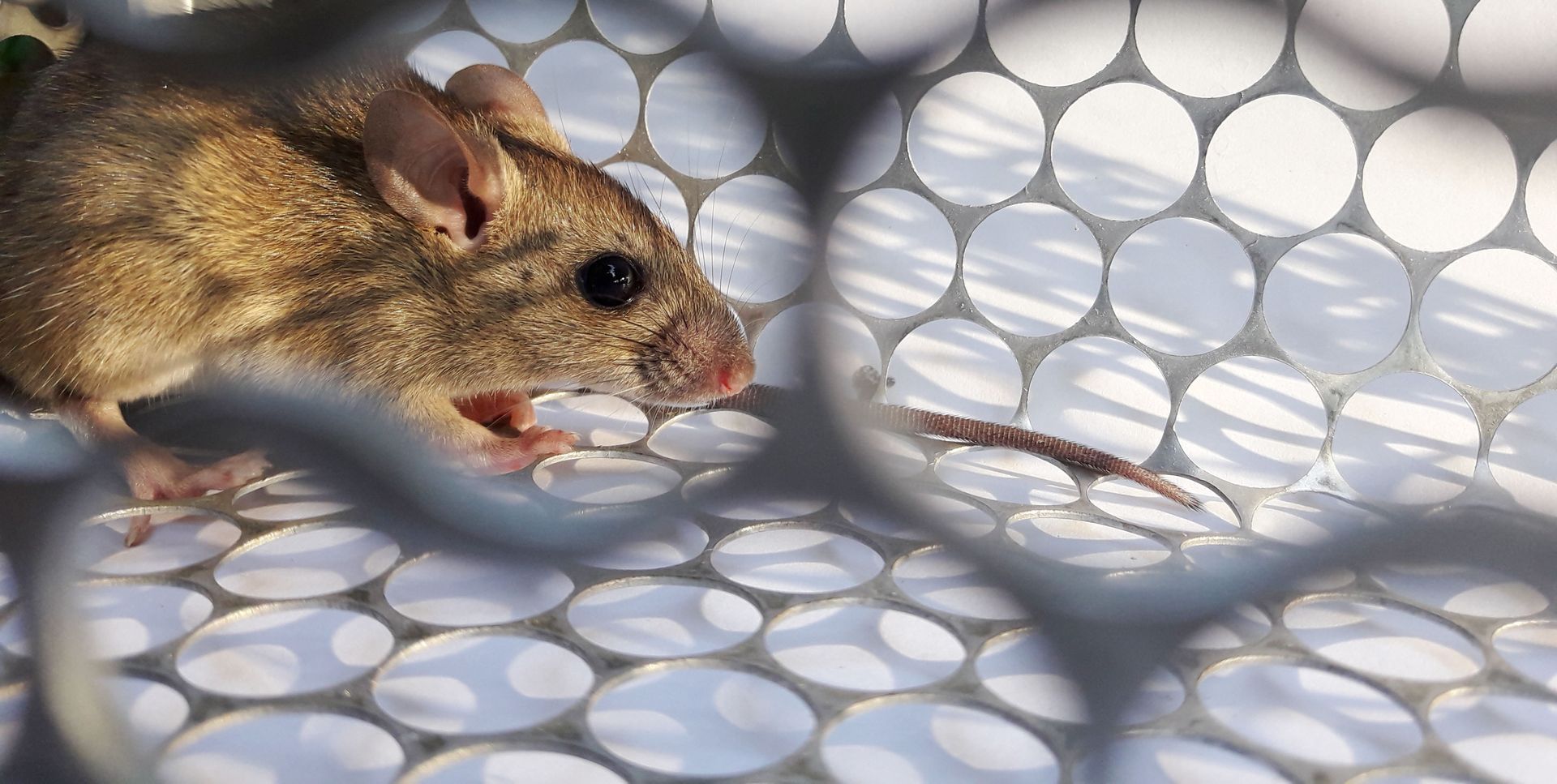
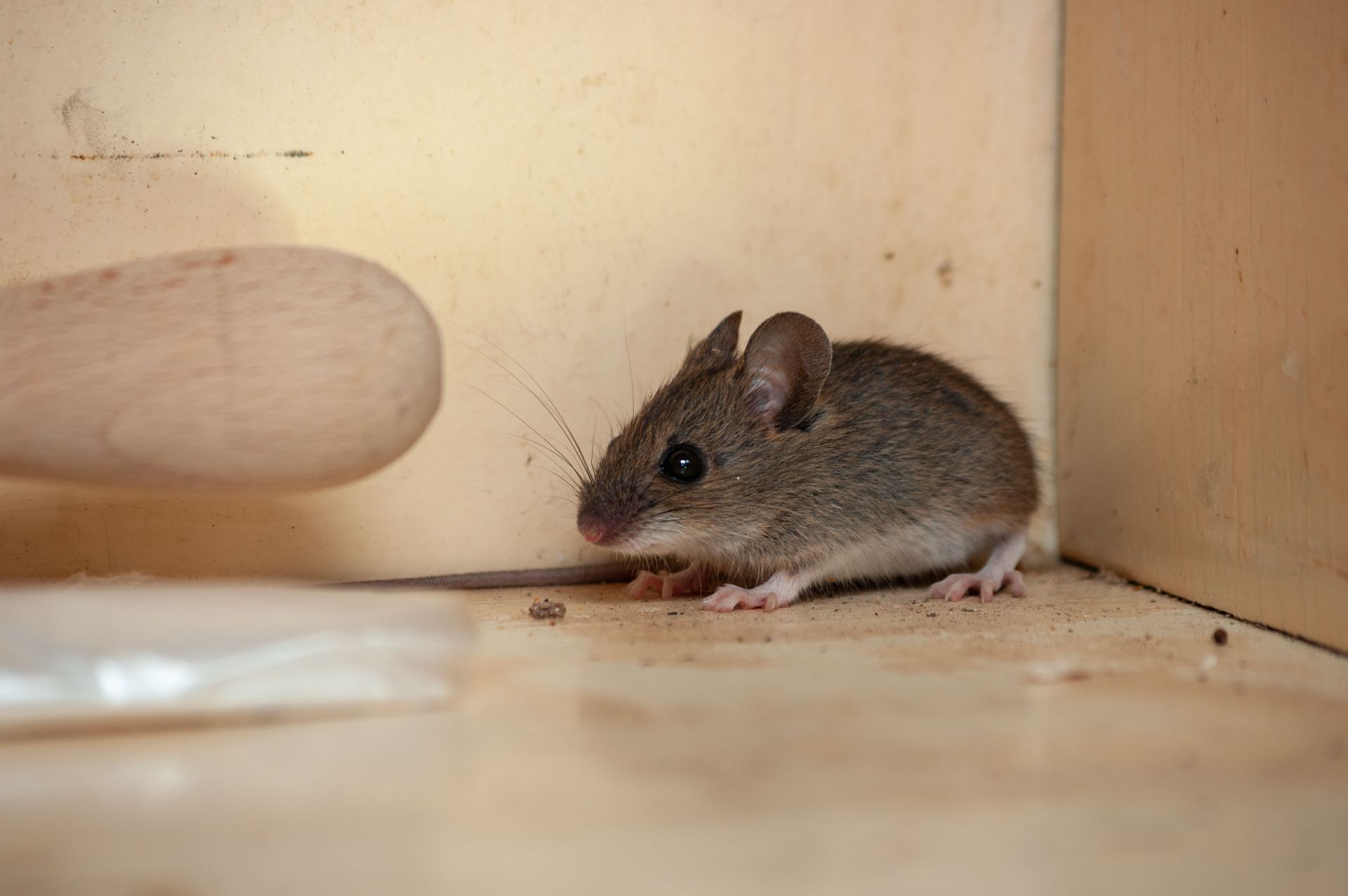
Wildlife activity can introduce contaminants into areas homeowners rarely inspect. Attics, crawl spaces, wall cavities, and storage rooms may accumulate animal droppings, urine, nesting materials, and food debris. These substances can create unpleasant odors and contribute to unsanitary conditions. Rodents are particularly concerning because they can travel through small openings and explore food storage areas. According to Forbes, mice represent 29% of the pest intrusions reported by homeowners. Their ability to enter confined spaces makes early detection important.
Addressing contamination involves identifying affected areas and determining whether specialized cleaning is necessary. Homeowners should avoid sweeping or vacuuming rodent droppings without appropriate precautions, as these activities can release potentially harmful particles into the air. Professionals can explain suitable sanitation procedures and identify materials requiring replacement. Cleaning contaminated areas after animals have been excluded helps restore safer conditions and reduces lingering odors that could attract additional wildlife.
Protecting Your Home From Structural Damage
Animals entering residential structures can cause considerable damage while searching for shelter or building nests. Squirrels and rodents may chew through wood, insulation, and other materials, while raccoons can damage roofing components or ventilation openings. Nesting activity may disturb insulation and create openings that allow moisture to enter. These problems can remain unnoticed because many animals occupy concealed spaces. Identifying damage early can prevent small concerns from developing into expensive repairs.
A professional wildlife removal provider can inspect accessible areas for signs of animal activity and identify vulnerable entry points. Technicians may recommend repairing damaged vents, sealing gaps, or reinforcing openings after confirming animals have been removed. These improvements help protect the building and reduce opportunities for repeated intrusions. Homeowners should arrange appropriate repairs when wildlife has compromised roofing, insulation, or structural components. Coordinating removal and repairs supports lasting property protection.
Reducing Potential Electrical and Fire Hazards
Rodents and other small animals sometimes enter wall cavities, attics, and utility spaces containing electrical wiring. Their chewing behavior can damage wire insulation and expose conductors, potentially creating electrical faults or fire hazards. Nesting materials placed near electrical equipment may introduce additional concerns. Because these areas are often concealed, homeowners may not recognize damage until electrical problems develop. Flickering lights, unusual odors, or unexplained electrical interruptions should receive attention from qualified professionals.
Wildlife management professionals can identify evidence of animal activity near accessible electrical installations and recommend further evaluation. However, damaged wiring should be inspected and repaired by a licensed electrician. A coordinated response addresses both the animal intrusion and resulting electrical concerns. Homeowners should avoid touching exposed wiring or entering unsafe spaces. Prompt attention can help reduce preventable hazards and protect household members.
Preventing Aggressive Wildlife Encounters
Wild animals may behave unpredictably when frightened, cornered, injured, or protecting their young. Raccoons, squirrels, and other animals can bite or scratch when people attempt to approach or capture them. Pets may also encounter wildlife while exploring yards, garages, or crawl spaces. These interactions can lead to injuries and potential disease exposure. Attempting to remove an animal without suitable equipment or training increases the likelihood of dangerous encounters.
Professional wildlife removal helps homeowners manage these situations without unnecessary direct contact. Experienced technicians can assess the animal involved, determine appropriate handling methods, and follow applicable wildlife regulations. Depending on the species and circumstances, exclusion, trapping, or other authorized techniques may be appropriate. Families should keep children and pets away from areas where animals are active until the situation is resolved. Maintaining a safe distance is especially important when an animal displays unusual behavior.
Identifying Hidden Wildlife Activity Early
Many wildlife problems develop gradually because animals remain concealed during daylight hours. Scratching sounds inside walls, movement above ceilings, unexplained odors, and damaged insulation may indicate unwanted activity. Homeowners might also notice droppings, nesting materials, or openings near rooflines and foundations. Recognizing these warning signs allows families to investigate concerns before animal populations grow or property damage becomes extensive. However, identifying the responsible species can be difficult without experience.
Professional inspections can determine which animals are present and where they may be entering the structure. Technicians examine accessible locations for tracks, droppings, damage patterns, and other evidence. Understanding the species involved is important because different animals require different management approaches. A thorough assessment can reveal conditions that make the property attractive to wildlife. Addressing these factors early may reduce repeated disturbances and unnecessary repairs.
Preventing Future Wildlife Intrusions
Removing animals from a home does not automatically prevent additional wildlife from entering. Open vents, damaged siding, foundation gaps, and deteriorating roof components may continue providing access. Outdoor conditions can attract animals, including unsecured garbage, accessible pet food, fallen fruit, and sheltered nesting locations. Without addressing these factors, homeowners may experience recurring problems even after an initial intrusion has been resolved.
Effective prevention involves identifying entry points and correcting conditions that encourage wildlife activity. Professionals may recommend installing protective screening, repairing exterior damage, securing garbage containers, and removing accessible food sources. Exclusion work must be performed carefully to avoid trapping animals or dependent young inside the structure. Seasonal inspections can help homeowners recognize developing vulnerabilities. Combining preventive maintenance with appropriate wildlife management practices supports a safer residential environment.
Supporting Safer Long-Term Property Maintenance
Maintaining a wildlife-resistant home requires ongoing attention to building conditions and surrounding outdoor spaces. Overgrown vegetation, damaged rooflines, and poorly maintained storage areas can provide shelter or access for unwanted animals. Trees extending toward roofing materials may create pathways for climbing wildlife, while cluttered sheds and garages offer convenient hiding places. Regular property inspections help homeowners recognize these concerns before animals establish nesting areas.
Professional wildlife management services can provide recommendations tailored to the property's layout and previous animal activity. Homeowners may benefit from monitoring repaired entry points, maintaining exterior components, and scheduling inspections when warning signs return. These practices support long-term prevention while reducing repeated contamination or property damage. Staying attentive to changing conditions helps families maintain comfortable living spaces and respond appropriately when wildlife activity becomes noticeable.
Protecting a family's health and safety involves recognizing the risks associated with unwanted animals and addressing them appropriately. Wildlife intrusions can introduce contaminants, damage building materials, create electrical hazards, and increase the likelihood of dangerous encounters. Professional assistance helps homeowners identify animal activity, manage existing problems, and implement preventive measures that discourage future entry. Combining appropriate wildlife removal with sanitation, property repairs, and routine inspections supports a healthier residential environment. Homeowners should avoid direct contact with unfamiliar animals and seek qualified assistance when signs of an infestation appear. Taking action early can minimize damage, reduce exposure to harmful materials, and preserve household comfort. If you suspect unwanted animals are living in or around your home, contact Trappro Humane Wildlife Removal today to discuss your concerns and explore professional solutions for protecting your family and property.