October 9, 2026
Unwanted wildlife can settle onto a property without immediately being noticed. Animals may find shelter in attics, crawl spaces, garages, sheds, wall cavities, or areas beneath structures, while outdoor spaces can provide convenient sources of food, water, and cover. In some situations, property owners may not realize animals are present until unusual noises, odors, damage, or other noticeable changes begin to appear.
Recognizing potential wildlife activity early can make it easier to understand what may be happening and determine when professional assistance is appropriate. Different species leave different signs behind, and some evidence may be subtle at first. Because wild animals can behave unpredictably and may occupy areas that are difficult to access safely, professional wildlife removal can help property owners address animal activity without attempting to handle the situation themselves.
The following signs can indicate that unwanted animals may have made their way onto or into a property.
Notice Unusual Noises Around the Property
Unexpected sounds are often among the first indications that wildlife has entered a structure. Scratching, scurrying, squeaking, thumping, or rustling may come from ceilings, walls, attics, crawl spaces, or other concealed areas. These noises can become more noticeable when the surrounding property is quiet, and animal movement is easier to hear.
The timing and location of the sounds may vary depending on the animal involved. Some wildlife is particularly active after dark, while other species may move around during daylight hours. Sounds that occur repeatedly in the same part of a building can suggest that an animal is using that location for shelter or regularly traveling through it. When unexplained noises continue, a wildlife removal professional can evaluate the property and help identify the source.
Notice Unusual Droppings Around the Property
Droppings found in or around a building can be another indication of unwanted wildlife. They may appear in attics, garages, storage spaces, crawl spaces, near entry points, or along areas animals regularly travel. Finding nesting material, tracks, fur, or other biological evidence nearby may provide additional clues that wildlife is occupying the property.
Droppings should not simply be viewed as an inconvenience. Their presence can indicate repeated animal activity in an area, particularly when new evidence continues to appear. Different animals can also leave waste that varies in appearance and location, making professional identification valuable. Wildlife removal services can help determine what type of activity is occurring and what areas of the property may be affected.
Notice Unusual Odors Around the Property
Persistent odors without an obvious household source may indicate wildlife activity in a concealed area. Animals living in attics, wall cavities, crawl spaces, or other enclosed locations can leave urine, droppings, nesting materials, and other organic matter behind. Over time, these materials can create noticeable odors that may spread into occupied portions of a building.
An odor can sometimes remain even when the animal itself is not visible. This can make locating the source difficult, particularly when wildlife has entered a space that cannot be easily inspected. Strong or recurring smells should therefore be considered alongside other evidence, such as noises or property damage. Professional wildlife removal can help determine whether an animal is responsible and identify the areas requiring attention.
Notice Unusual Damage Around the Property
Wildlife may damage building materials while attempting to enter, exit, nest, or move through a structure. Property owners might notice disturbed vents, damaged screens, loose exterior materials, gnaw marks, openings near rooflines, or changes around soffits and other vulnerable areas. Outdoor structures, gardens, lawns, and garbage storage areas can also show evidence of animal activity.
Even relatively small openings may become important when an animal discovers a sheltered location. Damage can also become more extensive if activity continues unnoticed. According to the New York Department of Environmental Conservation, raccoon density in rural areas can range from 20 to 40 raccoons per square mile, illustrating that wildlife may be present even outside densely developed communities. When suspicious damage appears, a professional inspection can help determine whether wildlife is involved.
Notice Unusual Tracks Around the Property
Tracks and pathways can provide useful evidence even when an animal has never been seen directly. Footprints may appear in soil, mud, gardens, landscaping, or dusty areas around a structure. Repeatedly disturbed vegetation or recognizable travel paths can also suggest that animals are regularly moving through a particular part of the property.
Other outdoor clues may include overturned containers, disturbed mulch, damaged plants, or evidence that something has been searching for food. A single isolated disturbance does not necessarily establish that an animal has taken up residence, but repeated patterns deserve closer attention. Wildlife removal professionals can examine these signs together with conditions around the structure to determine whether animals are simply passing through or potentially occupying the property.
Notice Unusual Nesting Around the Property
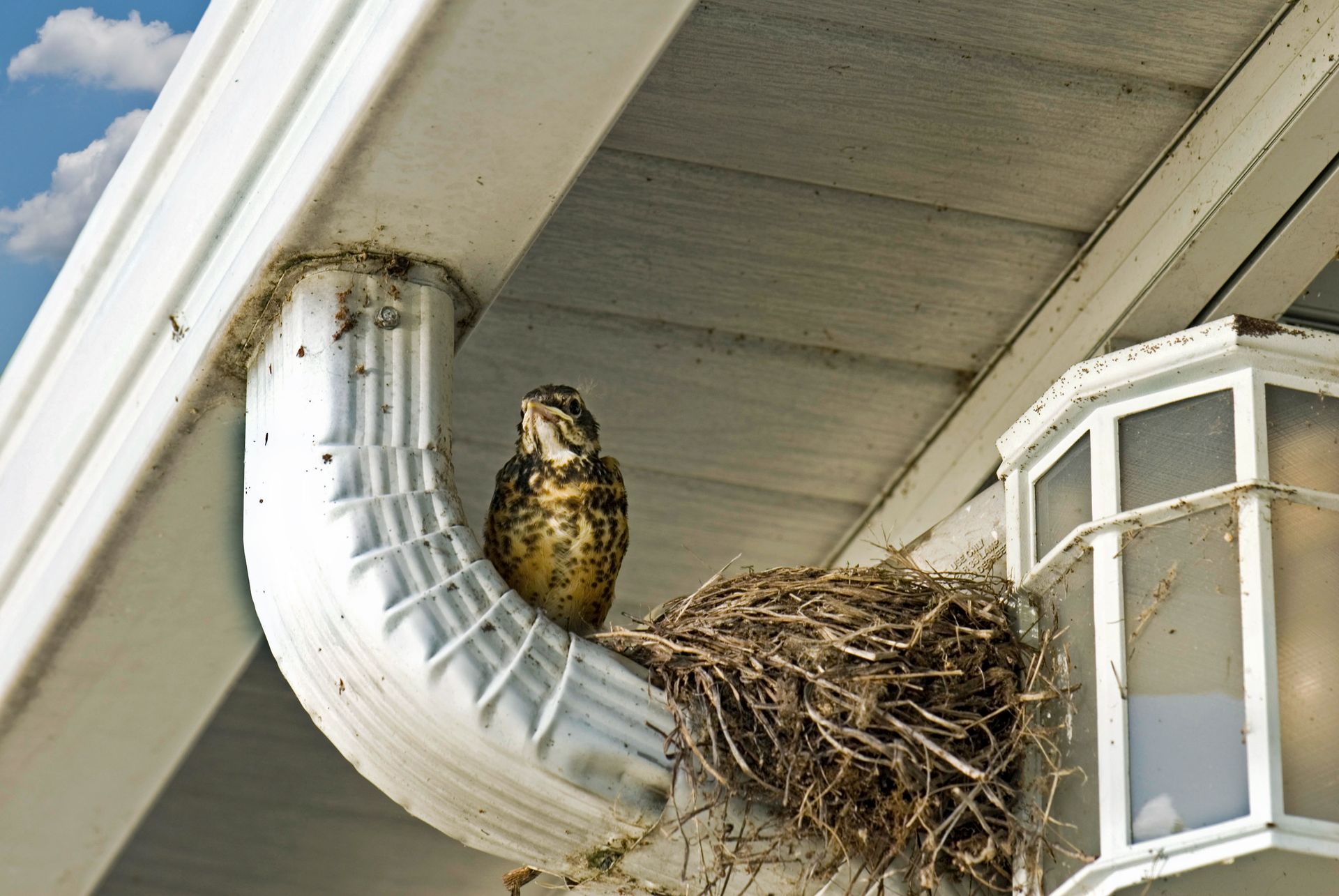
Wild animals often seek locations that offer protection from weather, predators, and human activity. Attics, roof spaces, crawl spaces, sheds, chimneys, and secluded exterior areas can provide suitable shelter. Property owners may discover leaves, twigs, shredded materials, insulation, or other debris gathered in places where those materials would not normally accumulate.
Nesting activity can be especially important to address carefully because the situation may involve more than one animal. Disturbing an occupied nesting area without understanding what species is present can create unnecessary risks and may complicate the situation. Certain wildlife situations can also involve regulations that affect how animals should be handled. A professional wildlife removal assessment can help identify the animal involved and determine an appropriate approach based on the circumstances.
Notice Unusual Pet Behavior Around the Property
Dogs and cats sometimes notice wildlife activity before people do. A pet may repeatedly stare at a wall or ceiling, become unusually interested in a vent or crawl space, bark at a particular area, or focus intensely on a location that previously attracted no attention. Although changes in pet behavior can have many causes, repeated attention toward the same part of a property may warrant further investigation.
Pets should be kept from interacting directly with wild animals. Even wildlife that appears calm can respond defensively when frightened, cornered, or protecting a nesting area. Direct encounters can also create avoidable risks for both pets and people. When unusual pet behavior occurs alongside scratching sounds, odors, droppings, or structural damage, professional wildlife removal can help determine whether an unwanted animal is responsible.
Recognize Wildlife Activity Before It Becomes More Disruptive
Wildlife does not always make its presence obvious. In many cases, the evidence develops gradually, beginning with a faint sound, an unexplained odor, disturbed materials, or a small area of damage. Paying attention to these changes can help property owners recognize patterns and seek assistance before animal activity becomes more disruptive.
No single sign identifies every wildlife problem. Noises could have multiple causes, outdoor tracks may come from animals simply passing through, and structural damage may result from weather or ordinary deterioration. However, several signs appearing together can provide stronger evidence that animals are using the property for shelter or access. A professional assessment can help distinguish wildlife activity from other potential causes.
Taking wildlife concerns seriously also means avoiding unnecessary direct contact with animals or occupied nesting areas. Professional evaluation provides an opportunity to identify the species involved, understand how it may be accessing the property, and determine what response is appropriate for the specific situation.
Contact a Professional About Wildlife Activity
If you have noticed scratching, droppings, odors, tracks, nesting materials, property damage, or other signs of unwanted animals, professional assistance can help clarify what is happening. At Trappro Humane Wildlife Removal, we can evaluate wildlife concerns and help determine an appropriate course of action for the property. Contact us to discuss the signs you have observed and learn more about how our team can assist with wildlife removal.