June 26, 2026
Wildlife infestations can lead to health risks, property damage, and disruption of daily life if not addressed properly, which is why professional wildlife removal is often an important step for affected properties. Here, we delve into the methods used by experts to handle these infestations. As urban areas expand, interactions between humans and wildlife become more frequent, making the management of these situations increasingly important. Understanding specific animal behaviors and employing expert wildlife removal techniques are crucial for maintaining a safe and harmonious coexistence.
Rodent Infestations
Understanding Behavior and Habitats
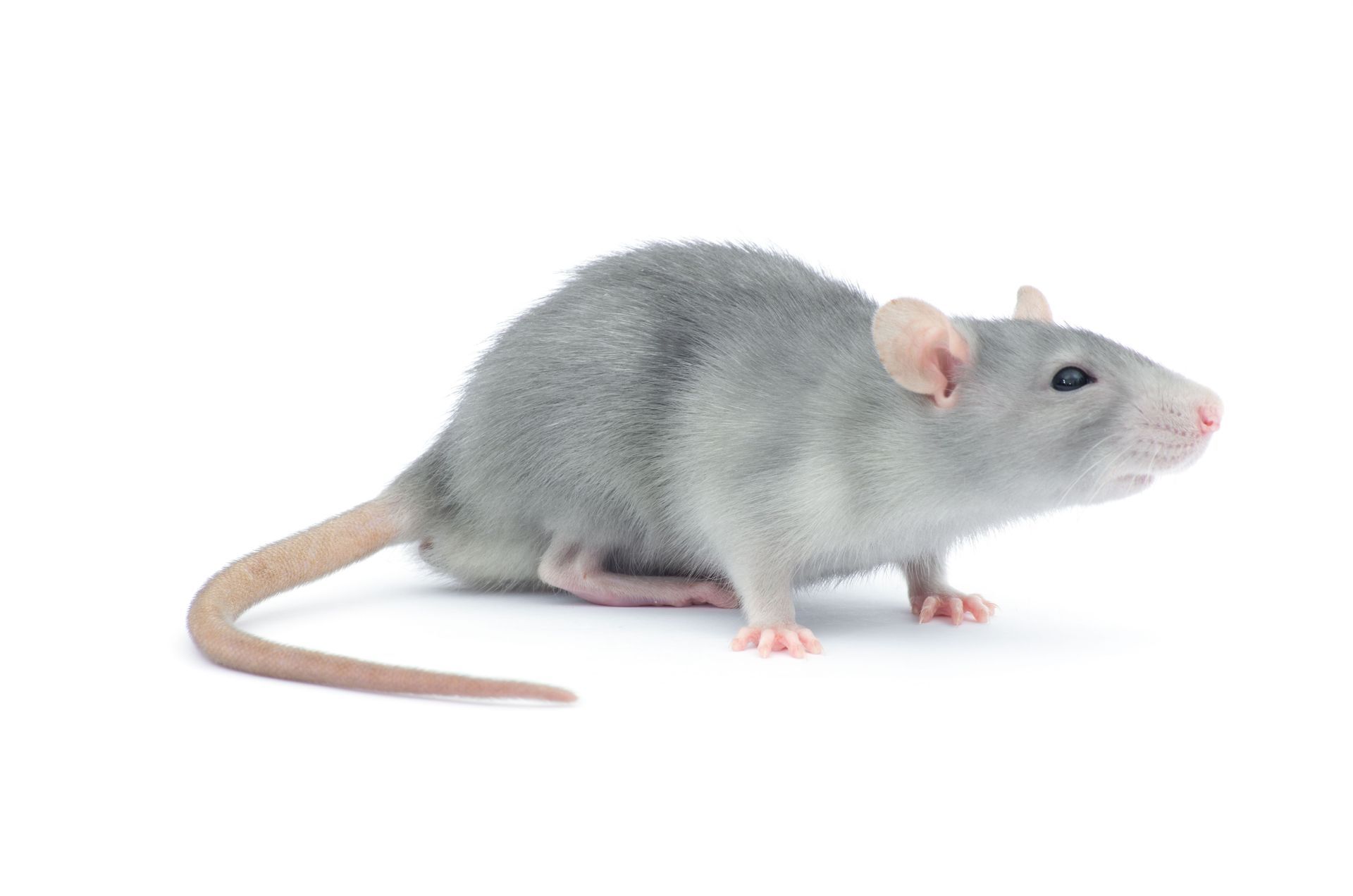
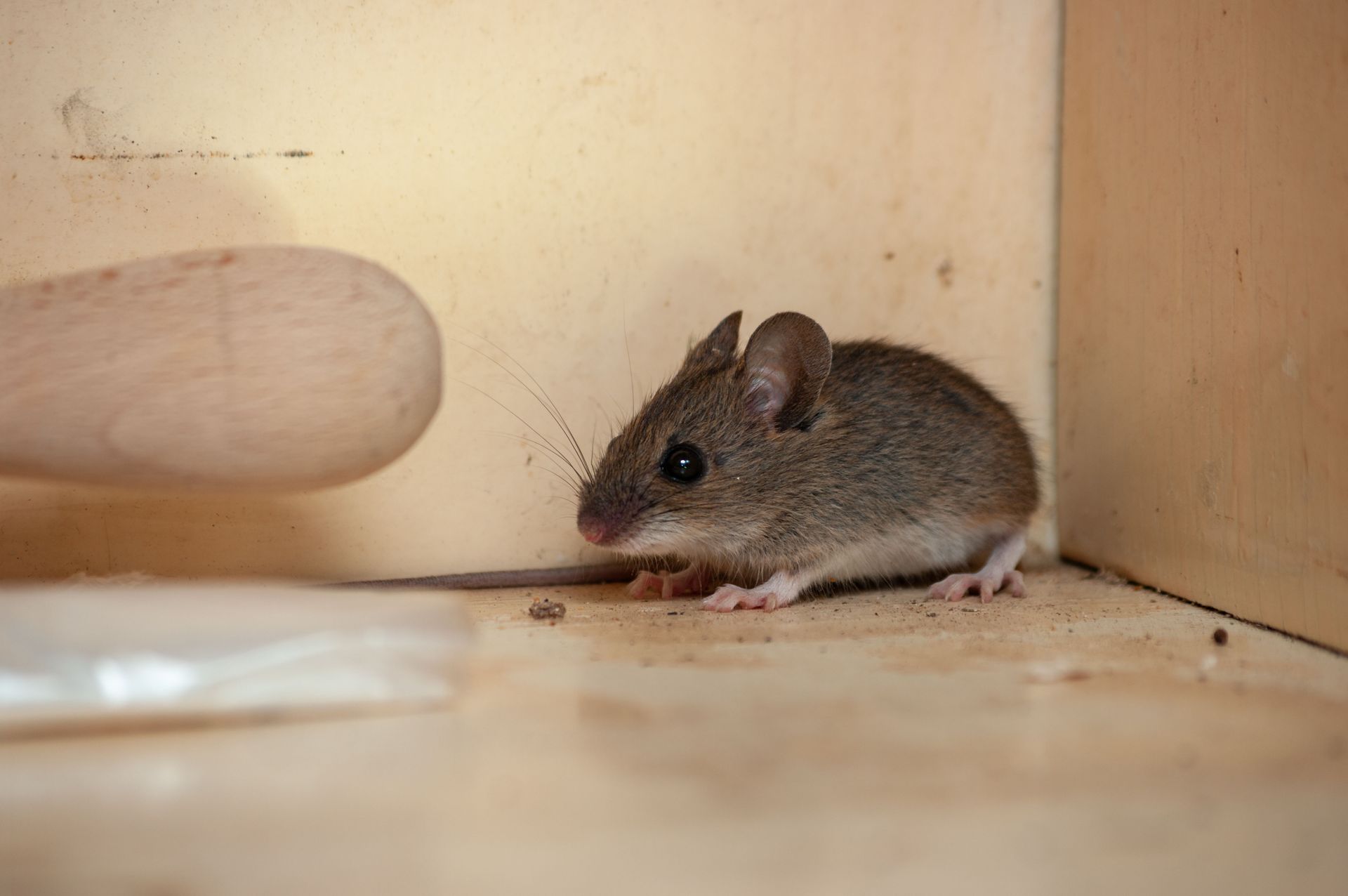
Rodents, including rats and mice, are highly adaptable creatures that thrive in a variety of environments. They prefer areas that offer ample food sources and suitable shelter, such as attics, basements, and garages. Their ability to gnaw through materials like wood and plastic allows them access to areas that seem secure. Understanding their nesting and foraging habits can aid homeowners in identifying potential infestation risks. Recognizing these behaviors enables pest control experts to develop effective prevention and removal strategies, minimizing the impact of infestations.
Rodent populations can rapidly grow given their high reproductive rates, making early detection and intervention crucial. Female rodents can produce several litters per year, each yielding multiple offspring. This rapid growth, coupled with their tendency to carry diseases such as Hantavirus and Leptospirosis, underscores the need for vigilant monitoring. Experts often conduct thorough inspections to identify possible rodent entry points and recommend sealing these areas to prevent infestations before they start. A proactive approach involves understanding the specific signs and patterns of rodent activity within a property.
The availability of food waste, pet food, and clutter can attract rodents to residential areas. Simple habits such as securing food sources and maintaining cleanliness can deter rodent infestations effectively. Furthermore, landscaping practices that minimize brush and debris around homes can reduce habitat suitability for rodents. According to the Department of Environmental Conservation, imposing measures like these can mitigate the risk of wildlife entering human habitats. Professional pest control service providers leverage this knowledge to educate homeowners and implement comprehensive wildlife removal, exclusion, and management plans.
Health Risks Associated with Rodents
Rodents are known carriers of various pathogens that pose serious health risks to humans and pets. Diseases such as Salmonella and Rat-bite Fever can transmit through direct contact with rodents or their droppings. These health hazards necessitate effective control measures to safeguard home environments from rodent contamination. In addition to spreading disease, rodents can also exacerbate allergies and asthma in humans due to allergens present in their urine and dander. Professional pest management services aim to reduce these health risks by employing targeted measures to control and eliminate rodent populations.
Effective management strategies include the identification and proper disposal of rodent nesting materials. Experts advise maintaining high hygiene standards within households, as proper sanitation diminishes potential attractants for rodents. Rodent-proofing areas, especially in kitchens and storage rooms, reduces the likelihood of exposure to rodent-borne diseases. Institutions such as the Centers for Disease Control and Prevention emphasize the importance of public awareness and education in mitigating health risks associated with rodents. Collaborating with professionals helps homeowners utilize the appropriate resources and knowledge to achieve and maintain a rodent-free environment.
Signs of Infestation
Recognizing the early signs of a rodent infestation allows for prompt intervention and prevention of further issues. Common indicators include droppings, gnaw marks on furniture, and nests found in secluded areas such as attics or basements. Rodents often leave grease marks or tracks along their frequent paths, giving clues to experts and homeowners alike about their movements. In addition, unusual pet behavior, such as agitation or heightened interest in specific areas, can signal the presence of rodents. Homeowners are encouraged to act swiftly upon identifying these signs to initiate effective control measures.
Nocturnal by nature, rodents often remain hidden during the day, making visual confirmation of an infestation challenging. However, evidence such as chewed wires or torn insulation may signal their presence. Listening for sounds of scurrying or scratching within walls or ceilings during nighttime hours provides additional indication. Pest control professionals utilize advanced detection tools and techniques to assess the full extent of an infestation discreetly. By thoroughly understanding and acting upon these indicators, experts successfully address issues before they escalate into severe infestations.
Prevention Techniques
Effective rodent prevention hinges on creating an environment that is inhospitable and uninviting to rodents. Sealing potential entry points, such as gaps around doors and windows or cracks in the foundation, is a fundamental preventive measure. Homeowners can also store food securely in rodent-proof containers and promptly clean up spills to remove food sources. Pests also seek shelter in clutter and piles of debris, so regular tidying of indoor and outdoor spaces discourages their habitation. By minimizing opportunities for entry and sustenance, homeowners can significantly diminish the likelihood of rodent infestations.
Lawn care practices contribute directly to rodent prevention by reducing harborage opportunities. Maintaining short grass, trimming shrubs, and removing debris diminishes suitable nesting sites within proximity of a home. Similarly, minimizing accessible water sources by repairing leaky faucets and eliminating standing water curtails rodent attraction. Beyond personal efforts, homeowners should engage with community initiatives that focus on shared pest management goals. Collective approaches emphasize consistent upkeep and adherence to best practices, creating broader pest-resistant communities.
Insect Infestations
Common Types of Insect Pests
Insect infestations encompass a wide array of pests, each presenting unique challenges to homeowners and property managers. Common culprits include ants, cockroaches, termites, and bed bugs, each with distinct behaviors and habitats. Ants often infiltrate homes in search of food, forming scent trails that lead large colonies indoors. Termites, on the other hand, pose structural threats, as they consume wood and compromise the integrity of buildings. Cockroaches and bed bugs present health concerns, spreading allergens and causing discomfort, respectively.
Understanding the life cycles, reproductive habits, and environmental preferences of these pests is crucial for effective management. Examining entry points and conditions conducive to infestations help experts pinpoint vulnerabilities within properties. This comprehensive understanding allows for targeted interventions that address the root causes of infestations. Experts frequently conduct detailed assessments to identify the specific types of insects present and tailor their wildlife removal and control strategies. Such targeted measures are vital for minimizing disruption and achieving successful infestation eradication.
Environmental Impact of Insects
While insects are often seen as nuisances, they play indispensable roles in ecosystems as pollinators, decomposers, and prey for other wildlife. Their presence and abundance influence the distribution of plant species and the broader food web dynamics. It is, therefore, essential to balance pest control efforts with environmental conservation to preserve these ecological functions. Wildlife removal strategies must contemplate the broader impact of eradication efforts on ecosystems, seeking minimal disruption to non-target species. By employing an Integrated Pest Management approach, professionals aim to strike harmony between effective control and environmental stewardship.
Eco-centric pest control resonates with growing public awareness and demand for sustainable practices. By prioritizing non-lethal interventions and promoting biodiversity-friendly alternatives, pest control companies affirm their commitment to environmental consciousness. Experts meticulously evaluate the potential consequences of various control measures, selecting those that align with sustainability goals. The inclusion of natural predators and habitat management serves to balance pest populations naturally and reduce dependency on chemical interventions. These progressive stewardship methods are increasingly shaping industry standards and consumer expectations alike.
Detection and Monitoring
Precisely detecting insect infestations involves monitoring strategies that provide valuable insights into pest activity. Sensitive traps and technologically advanced monitoring systems assist experts in accurately identifying and quantifying insect populations. Motion sensors and pheromone traps gather real-time data on pest movements and behaviors, enabling strategic responses. Regular inspections and environmental assessments conducted by professionals ensure continuous surveillance and early detection of potential invasions. Early intervention proves pivotal in addressing issues efficiently, mitigating potential damage or escalation.
Wildlife infestations can affect a property in many ways, from health concerns and structural damage to sanitation issues and ongoing stress for homeowners. Whether the problem involves rodents, insects, birds, or another nuisance animal, early action helps reduce risks and prevent the situation from becoming more serious. Professional wildlife removal gives property owners access to trained experts who understand animal behavior, safe removal practices, exclusion methods, and long-term prevention strategies. With the right approach, homes and businesses can stay cleaner, safer, and better protected from future infestations. Call Trappro Humane Wildlife Removal today.