July 22, 2026
As a homeowner, your house is your ultimate sanctuary—a place of comfort, warmth, and safety for your entire family. Unfortunately, those exact same appealing qualities make your home incredibly attractive to local wildlife. As the seasons change and outdoor temperatures fluctuate, animals begin searching for secure, climate-controlled environments to build nests, raise young, and escape harsh elements. While you might expect to see a squirrel playing in your yard, you might not realize just how deeply these resilient animals can infiltrate your private space.
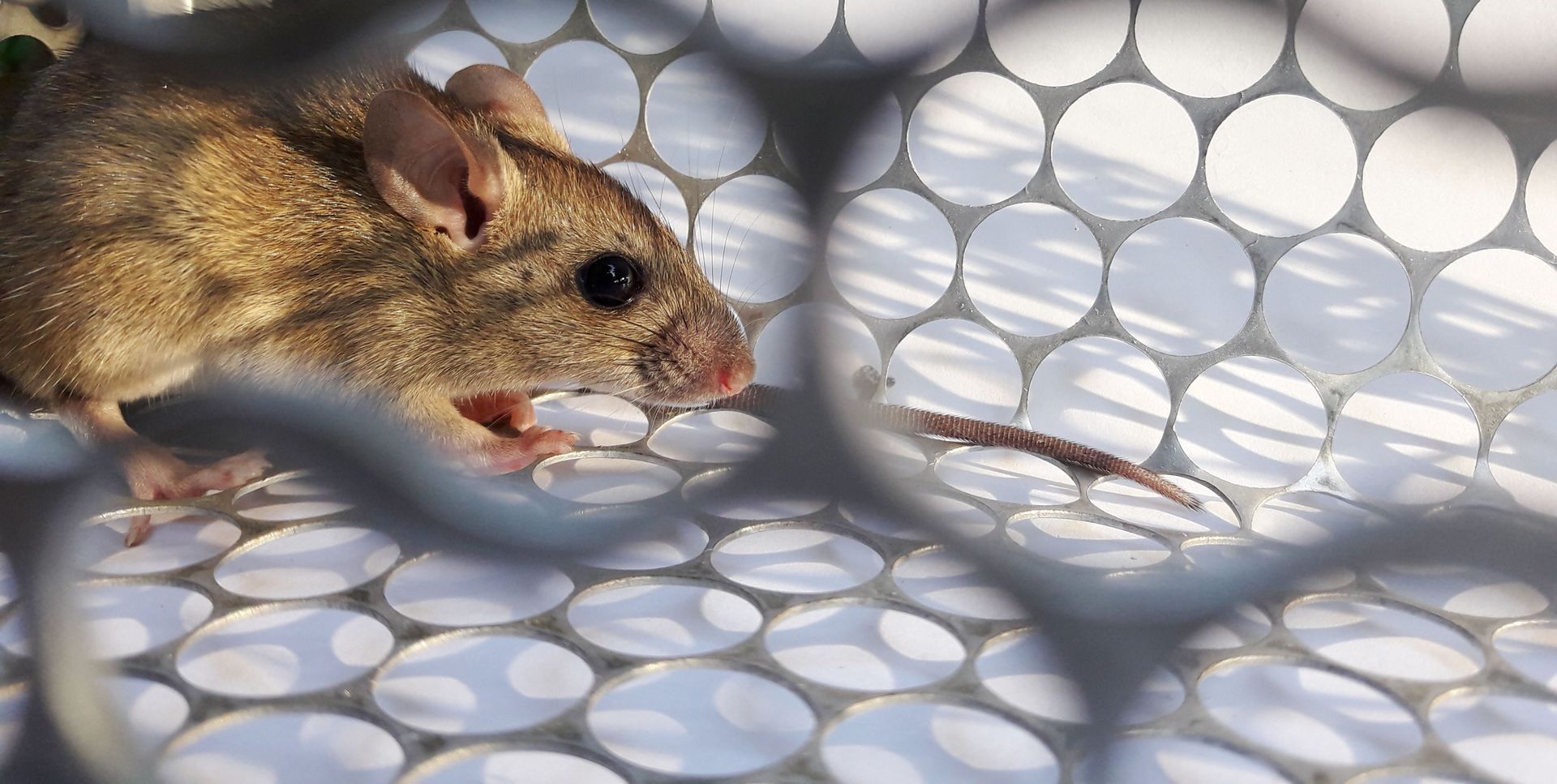
The financial impact of these unwanted houseguests is truly staggering. According to Worldmetrics, rodents cause $20 billion in annual U.S. property damage. They chew through electrical wires, tear up expensive insulation, and compromise structural integrity. However, it is not just rodents. Raccoons, bats, birds, and skunks are also highly adept at finding their way indoors. When you suspect a serious animal intrusion, prompt and professional intervention is absolutely critical to minimize long-term property damage. We consistently find animals in the most surprising places. Here are seven unexpected spots wild animals love to hide inside your house.
Spot 1: Deep Inside the Attic Insulation
The attic is undoubtedly one of the most common destinations for invading animals, but they rarely just sit out in the open. Instead, they burrow deep into the fluffy fiberglass or cellulose insulation. For raccoons, squirrels, and mice, attic insulation serves as the ultimate ready-made nesting material. It provides a highly effective thermal barrier, keeping them warm during freezing winter nights.
Unfortunately, this cozy nesting habit wreaks absolute havoc on your home’s energy efficiency. As animals trample and burrow, they physically compress the material, stripping away its natural ability to resist heat flow. Furthermore, the rapid accumulation of animal waste creates a severe biological hazard. Because mothers frequently hide their babies deep within these synthetic drifts, executing a proper wildlife removal strategy requires specialized knowledge to ensure the entire family is humanely extracted without leaving helpless young behind.
Spot 2: Tucked Away in the Chimney Flue
A large brick chimney might seem like a painfully obvious entry point to a professional, but it is very often an overlooked vulnerability for the average homeowner. To resourceful creatures like raccoons, bats, and chimney swifts, an uncapped chimney looks exactly like a hollowed-out tree in the forest. It represents a perfectly vertical, fortified tunnel that protects them from predators.
Raccoons are notorious for utilizing chimneys as safe nurseries. A mother raccoon will confidently climb down the dark flue and securely rest on the smoke shelf to give birth. Attempting to smoke them out by lighting a fire is incredibly dangerous and highly inhumane. Instead, you desperately need a targeted wildlife removal approach. Professionals gently remove the entire family by hand and subsequently install a heavy-duty chimney cap to permanently prevent future intrusions.
Spot 3: Between the Wall Voids
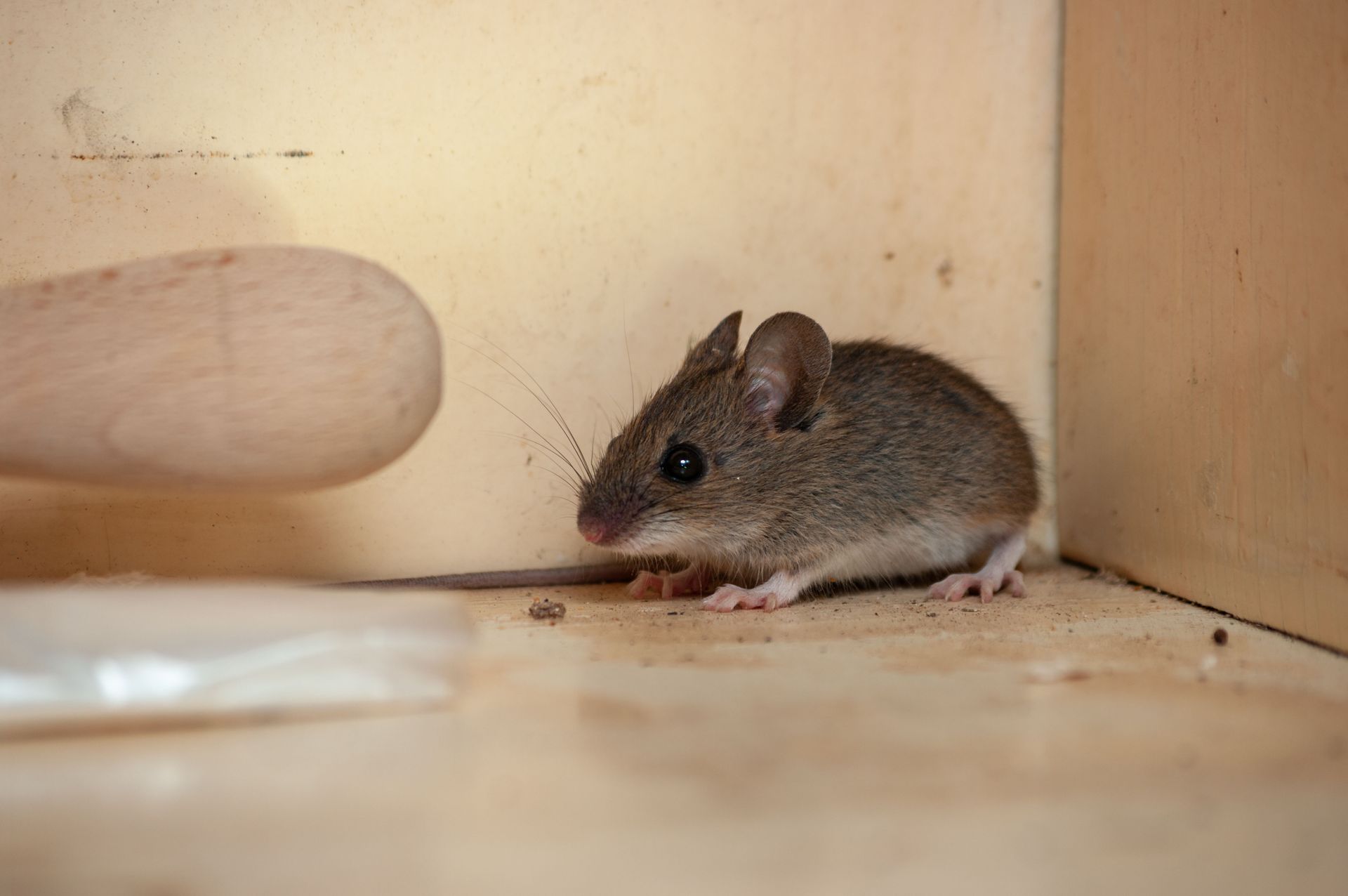
Have you ever been lying awake at night and heard the distinct sound of scratching coming from directly inside your walls? Wall voids—the empty, insulated spaces located between your interior drywall and exterior siding—are prime real estate for mice, rats, and small squirrels. These narrow gaps provide a continuous internal highway system that allows animals to quietly travel from the foundation to the attic.
Animals use these dark voids to store scavenged food, build intricate hidden nests, and raise generation after generation of offspring. The greatest danger here is the severe risk posed to your home's electrical system. Rodents continuously chew on hard materials, often targeting the soft plastic casing of your electrical wires. Safely extracting animals from these tight confines requires humane wildlife removal techniques, often utilizing advanced thermal imaging cameras or sound tracking devices to locate the nest.
Spot 4: Beneath the Porch or Deck
While you might naturally focus all your attention on the interior rooms of your house, the wooden structures immediately attached to your home's foundation are incredibly attractive to local fauna. The dark, sheltered space underneath a porch, deck, or outdoor staircase is highly sought after by ground-dwelling creatures like skunks, groundhogs, and opossums.
These exterior structures offer a solid, impenetrable roof against the rain, while the soft dirt directly below provides the perfect medium for digging burrows. Groundhogs can excavate massive amounts of soil, undermining the structural integrity of your deck's footings. Meanwhile, a skunk brings the constant threat of a noxious odor that can easily seep into your home. Dealing with these stubborn squatters requires expert wildlife removal via the strategic placement of humane live-catch traps, followed by a sturdy exclusion barrier.
Spot 5: Inside the Damp Crawlspace
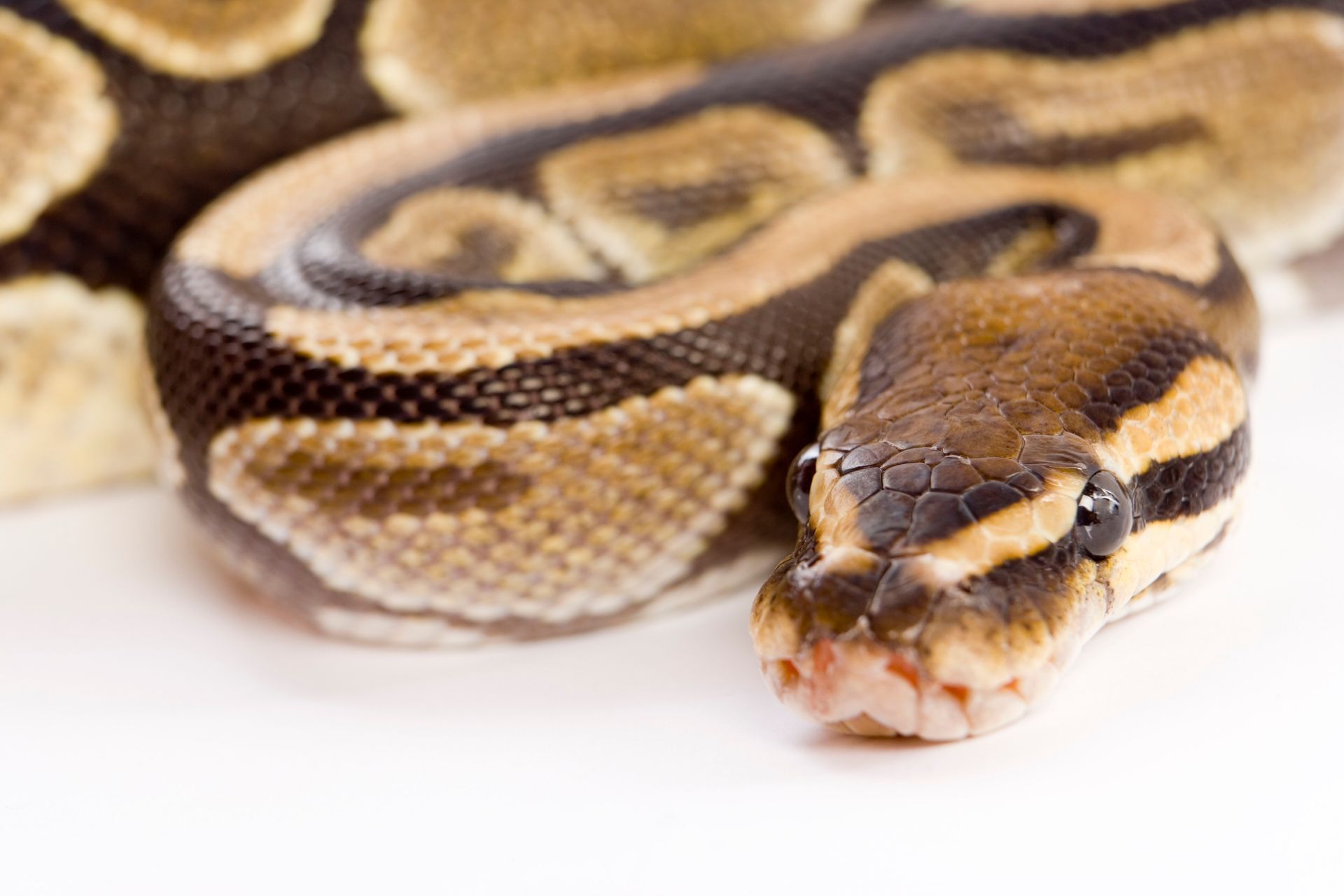
If your home design features a crawlspace instead of a traditional basement, you essentially have a shallow, dirt-floored cavern running beneath your living room. Because crawlspaces are notoriously difficult to monitor and naturally damp, they attract a wide variety of creatures. This can range from slithering snakes and scurrying mice to feral cats and determined raccoons.
Animals most often gain initial access through damaged exterior foundation vents. Once inside, they ruthlessly tear down the fiberglass batting installed between your floor joists to create comfortable hanging nests. They will also chew through vapor barriers, leading to increased moisture, mold growth, and rotting structural wood. Keeping this vulnerable area secure is vital for your home's health. Effective wildlife removal involves thorough inspections in cramped, dirty conditions to safely extract the hidden animals and systematically seal access points.
Spot 6: Nestled in the Gutters and Soffits
Take a moment to look closely up at the exterior roofline of your house. The interconnected system of metal gutters, eaves, soffits, and fascia boards is specifically designed to redirect rainwater and properly ventilate your attic. However, when these components become damaged or collect seasonal debris, they instantly transform into an open invitation for birds and squirrels.
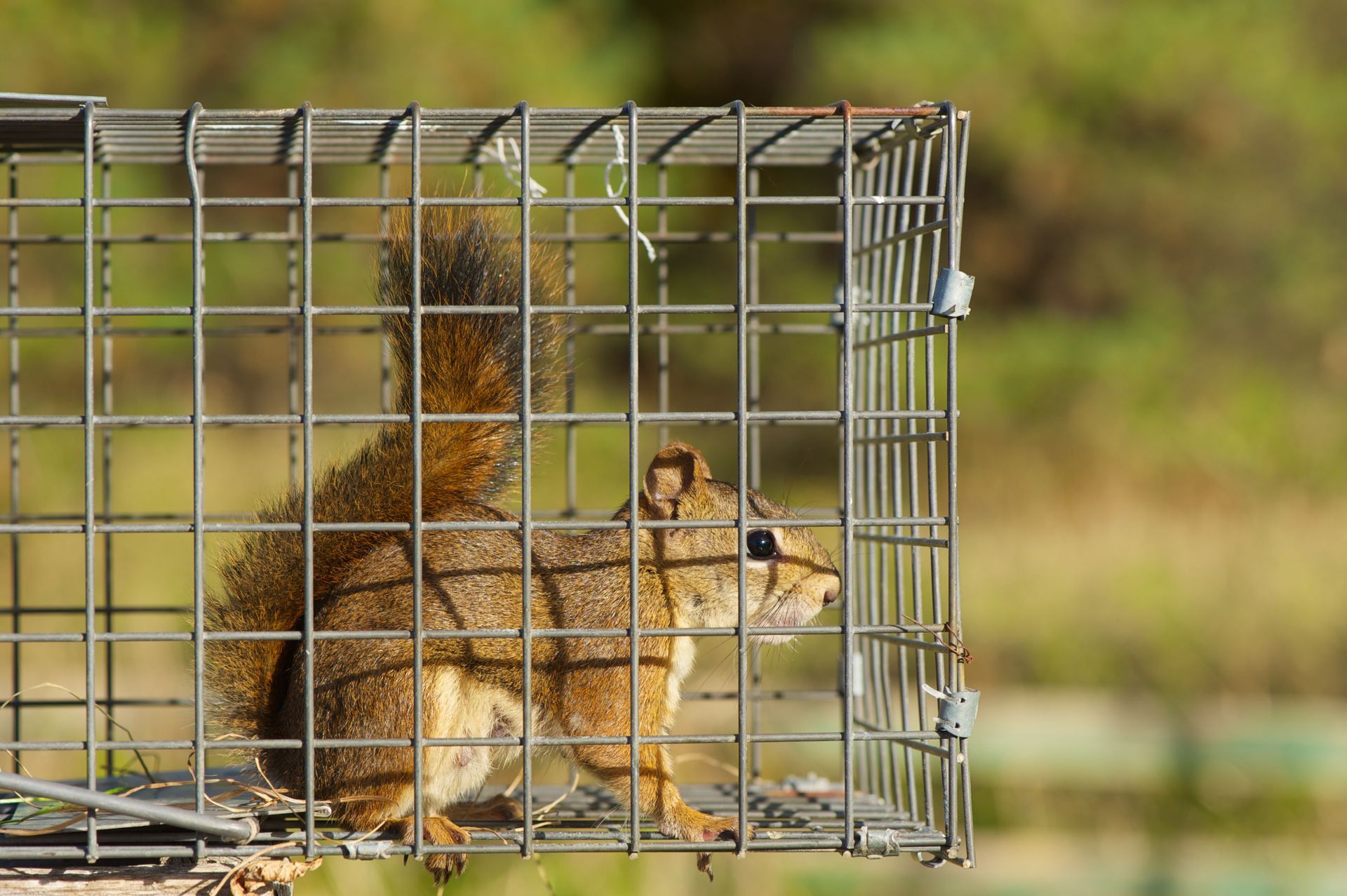
Gutters heavily clogged with autumn leaves provide a readymade, elevated foundation for bird nests, which block water flow and cause severe roof damage. Meanwhile, agile squirrels possess strong teeth and jaws. If they find a small gap along the horizontal soffit, they will chew relentlessly until the hole is large enough to squeeze through. Protecting your roofline requires vigilant regular maintenance and professional wildlife removal if a particularly stubborn squirrel family formally decides to claim your overhang.
Spot 7: Behind Large Household Appliances
One of the most startling places to suddenly discover wild animals is hiding right inside your primary living space. The surprisingly narrow, dark gaps directly behind and underneath large household appliances—like your kitchen refrigerator or laundry washing machine—are highly attractive to field mice, roof rats, and occasionally wandering snakes.
These specific indoor spots provide three essential things required for basic animal survival: constant warmth, absolute darkness, and immediate proximity to food and water. The large mechanical motors on the back of refrigerators generate soothing heat, while the dusty area beneath a stove is a goldmine for dropped food crumbs. A small animal can live comfortably behind an appliance for weeks. If you notice droppings scattered in your kitchen, rely on professional animal extraction for a guaranteed safe resolution.
Finding out that wild animals are secretly living inside your home can be a stressful, frustrating, and deeply unsettling experience for any family. Whether they are aggressively tearing up the expensive insulation in your attic, nesting inside your chimney flue, or rapidly scuttling behind your heavy kitchen appliances, these completely unexpected houseguests bring disruptive noise, massive property damage, and significant health risks.
The absolute key to successfully resolving any sudden animal intrusion is prompt action paired with professional expertise. Attempting to trap and relocate these wild animals entirely on your own can, unfortunately, lead to personal injury or worsening structural damage. At Trappro Humane Wildlife Removal, we specialize in the entirely safe, deeply ethical, and highly effective extraction of nuisance animals from residential properties. Our comprehensive services safely get the animals out and include professional, heavy-duty exclusion repairs to ensure they never return. Contact us today.