August 11, 2026
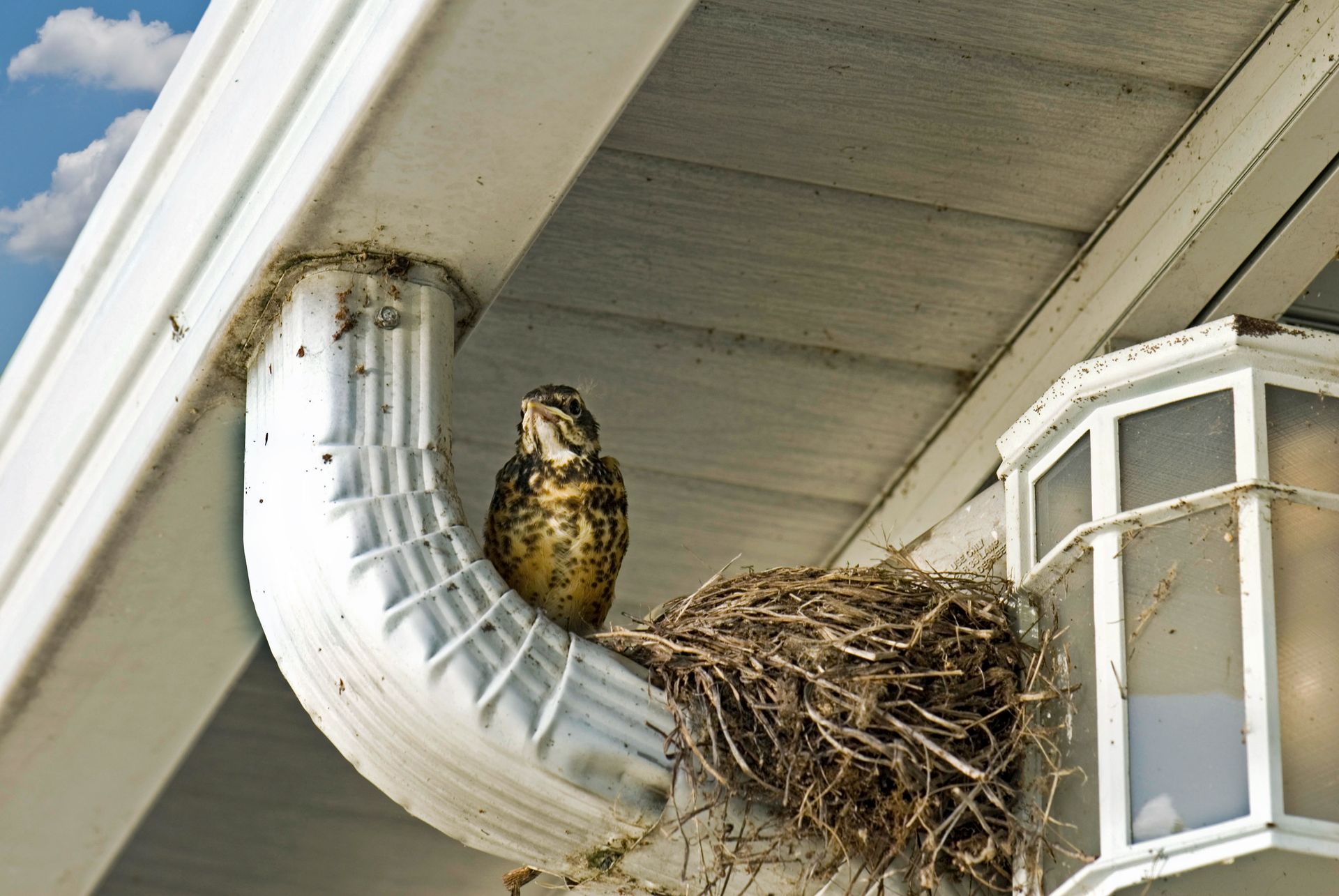
In recent years, the presence of bird nests within residential roof structures has become an increasingly common concern for many homeowners. This issue is not just a matter of unsightly appearances or mild inconvenience; it poses several significant hazards that can impact both the safety and integrity of one's home. Birds are often drawn to rooftops for their natural warmth and height, making eaves, gutters, and attic spaces ideal nesting locations. Though it might seem like a harmless coexistence, bird nests can lead to a range of problems, including structural damage, health risks, and legal challenges. This article aims to explore these potential hazards in detail and provide homeowners with the information they need to address bird removal issues effectively and safely.
Structural Damage
One of the primary structural concerns related to bird nests on roofs is the increased likelihood of leaks. Bird nests can block drainage systems, namely gutters and downspouts, preventing rainwater from being channeled away. This obstruction can result in water pooling on the roof, leading to cracks and eventual leaks. When water starts seeping into a roof, it weakens the roofing materials and can even damage the interior of the home. Over time, what begins as a small obstruction can lead to costly and extensive repairs if not addressed promptly.
In addition to causing leaks, bird nests can contribute to the deterioration of roofing materials themselves. The materials used by birds in nest-building, such as twigs, straw, and various debris, can harbor moisture and cause rot. As this moisture seeps into roofing shingles or tiles, it accelerates their breakdown and reduces the roof's effectiveness in protecting the home. Mold and mildew problems may develop, exacerbating the breakdown of these materials. This deterioration not only shortens the lifespan of the roof but also impacts the home's aesthetic and resale value.
Blocked drainage systems are a direct result of nesting materials accumulating in gutters and downpipes, which impede the natural flow of water. When drainage systems are clogged, this can lead to significant water damage not only to the roof but also to other parts of the house, such as the siding, foundation, and interior walls. Moreover, clogged systems can trap debris that decomposes, attracting insects and other pests that can further complicate the problem. Homeowners should be on the lookout for signs of drainage blockage, such as water spilling over gutter edges or residue buildup. Regular roof inspections and maintenance are critical to preventing these issues.
Health Risks
Bird droppings pose a significant health risk due to their allergenic properties. These droppings can become airborne, leading to respiratory issues in occupants, especially those with asthma or allergies. Aside from allergies, bird droppings can also carry a variety of diseases transmissible to humans, such as histoplasmosis and cryptococcosis. It's essential to clean and remove bird droppings promptly to mitigate these health risks. Homeowners should be particularly vigilant if they notice a significant accumulation of bird droppings around their property.
The presence of bird nests increases the risk of spreading infectious diseases. Birds are carriers of pathogens that can infect humans and domestic animals, posing a health threat to those living near the nests. Not only do their droppings carry potential risks, but their feathers and nesting materials can also harbor bacteria and parasites. To ensure health safety, nests should be removed with caution, ideally by professionals who understand how to handle potential disease vectors. Protective measures, such as masks and gloves, should be used when working near these sites.
Bird nests are often hotspots for parasites such as mites, ticks, and fleas, which pose a hidden health risk to homeowners. These parasites can migrate from nests into living spaces, where they can infest both people and pets. Once inside, these pests are notoriously difficult to eliminate and can lead to irritating bites and potential allergic reactions. Preventive measures, like installing avian deterrents, can help prevent birds from nesting and reduce the risk of an infestation. Homeowners should consult pest-control professionals at the first sign of a suspected infestation.
Fire Hazards
Birds often build nests in secluded, safe areas, which unfortunately can sometimes be close to electrical wiring. This introduces a severe fire hazard, as nesting materials like dry twigs and leaves are highly flammable. Should a short circuit occur, these materials could ignite, quickly leading to a fire. Regular checks and maintenance of electrical systems in attic spaces are paramount to ensure they remain in good condition and do not pose a risk. Furthermore, addressing bird nesting proactively can prevent this dangerous combination from reaching critical points.
The accumulation of flammable nesting materials within roofing structures represents another significant fire hazard. Aside from being in proximity to wiring, these materials can ignite due to other electrical equipment or even misdirected fireworks and dry weather conditions. Regular roof checks and the removal of unauthorized nests can help reduce this risk substantially. Whether through DIY efforts or professional services, ensuring that roof spaces are free of combustible materials is crucial for home safety. It's always advisable to install fire-retardant barriers in vulnerable areas to mitigate these risks further.
Nesting materials can obstruct ventilation fans, which not only impacts airflow but can also create a buildup of heat in the roof cavity. Specifically, the blockage caused by nests can restrict the efficient operation of fans, leading to potential overheating or even heat-related fires. Homeowners must ensure that their ventilation systems are clear and not compromised by outside influence, such as bird nests. Regular maintenance and visual checks are straightforward preventative measures that can safeguard against this hazard. In periods of extreme heat, these checks are even more critical to prevent adverse outcomes.
Invasive Species
Bird nests in roofs increasingly involve non-native or invasive species, which can have detrimental effects on local ecosystems. These birds often outcompete native species for resources, leading to a decline in indigenous bird populations. The establishment of invasive species also often results in ecological imbalance, affecting various forms of local wildlife and plant life. Homeowners, therefore, have a role in observing and reporting unusual bird activity to local wildlife authorities. Properly managing nesting sites can help prevent the spread and establishment of these non-native birds.
According to the Great Backyard Bird Count (GBBC), scientists estimate that between 10,000 and 11,000 known species of birds exist worldwide. The displacement of local wildlife by invasive bird species is a significant ecological concern. As non-native birds occupy previously unused spaces, they push out native species, which often struggle to compete. This displacement not only affects the diversity of local fauna but also impacts the larger ecological balance. Homeowners should remain alert to changes in the bird species frequenting their homes, and where unusual numbers of non-native species are observed, action may be needed. Ecosystem health requires vigilance and responsiveness from the local community.
Invasive species' competition for nest sites, food, and other resources with native birds can result in various ecological challenges. This competition can lead to the decline of native species and the disruption of local food chains, affecting broader biodiversity. Homeowners may actively contribute to conservation efforts by opting for bird-friendly practices that encourage native species, such as installing birdhouses intended for local birds. By understanding and addressing the consequences of resource competition, we can foster a more balanced cohabitation with nature. Awareness and education toward these issues are crucial in our increasingly interconnected environments.
The presence of bird nests in roof spaces can have far-reaching implications for homeowners, from structural damage to health risks, fire hazards, invasive species concerns, and legal issues. It is critical to recognize these potential threats and address them proactively with a combination of periodic inspections, maintenance, and professional consultations. By being vigilant and employing suitable interventions, homeowners can safeguard their homes from the varied hazards created by nesting birds. Prompt action and preventive measures not only ensure safety but also preserve property value. Proactive attention to these issues keeps both homeowners and their rooftop ecosystems protected and balanced. For experienced
bird removal services you can rely on, contact Trappro Humane Wildlife Removal today.