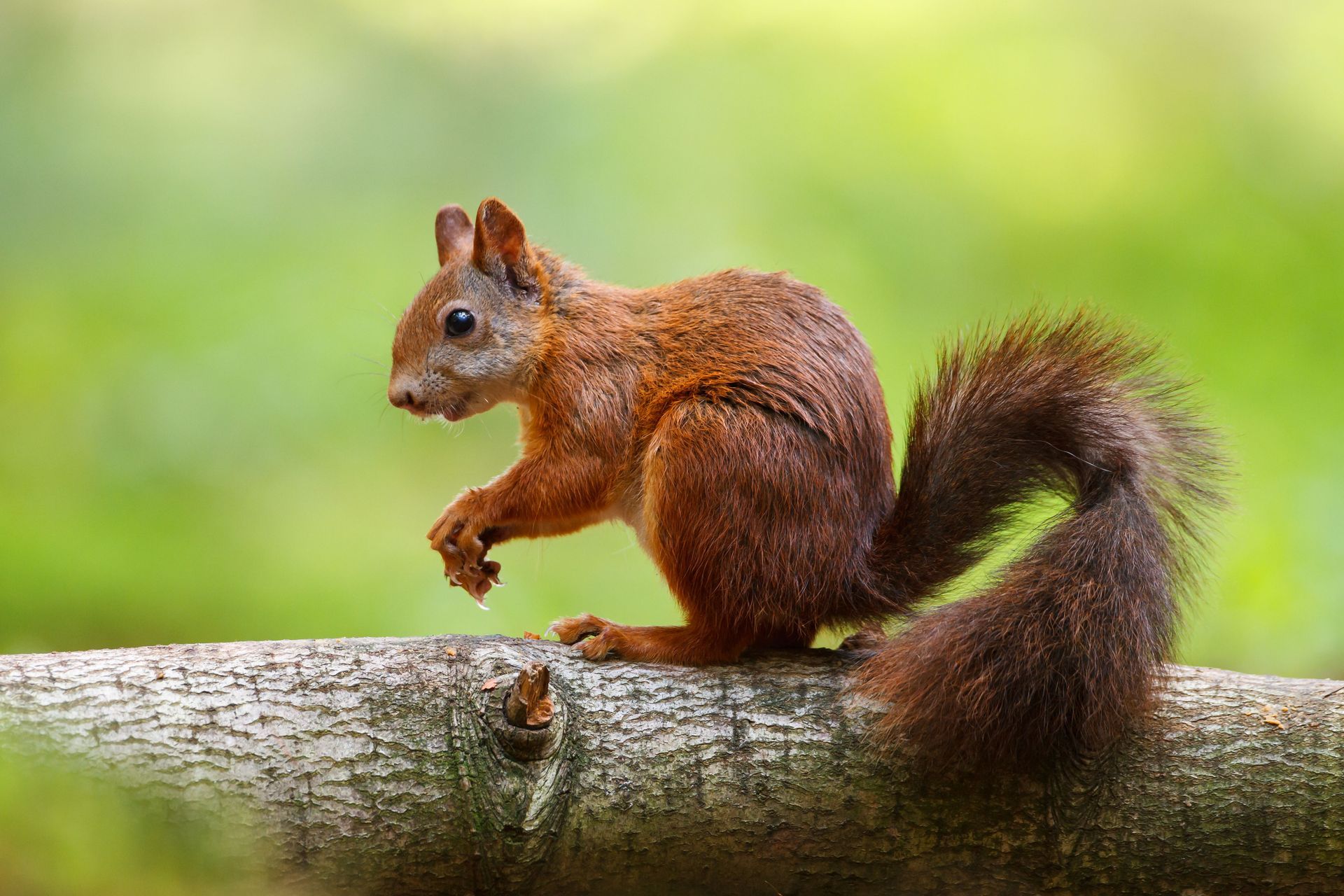
Managing the presence of local wildlife requires a delicate balance between appreciating nature and protecting your property from potential damage. Squirrels are among the most persistent visitors that homeowners encounter, often utilizing their agility to find small vulnerabilities in a building's exterior. While these creatures are entertaining to watch in a park setting, they can cause significant structural issues and safety hazards when they decide to move into your attic or walls. By understanding their habits and taking proactive steps, we can ensure that your home remains a sanctuary for you rather than a nesting ground for rodents.
Understand Squirrel Behavior and Motivation
The first step in any prevention plan is understanding why these animals are drawn to your living space in the first place. Squirrels often find human habitats appealing due to the availability of food sources, nesting sites, and shelter from predators. These environments offer warmth and protection, especially during colder months when natural cavities may be scarce. Homes with accessible attics or chimneys are particularly attractive as they mimic natural nesting sites such as tree cavities.
Understanding squirrel behavior also necessitates awareness of their seasonal patterns and breeding cycles. Typically, squirrels have two breeding seasons: late winter and late summer. During these times, their search for food and nesting sites intensifies as they prepare for the birth of young. If they find a way inside during these periods, professional squirrel removal becomes a much more complex task involving the protection of offspring. Recognizing these patterns allows us to increase vigilance and enhance prevention measures at these critical times before a family moves in.
Recognize Common Entry Points
Identifying where a squirrel might enter is critical for long-term home maintenance and security. Common entry points for squirrels include rooflines, chimneys, vents, and gaps in siding. These animals are capable of squeezing through surprisingly small openings, often chewing on existing holes to make them large enough for entry. Identifying these vulnerabilities is a primary goal in developing an effective prevention strategy for any homeowner. Regular inspections of the upper levels of your home can reveal chew marks or gaps that require immediate attention.
To further prevent entry, we must look at the surrounding landscape as well as the building itself. According to PestWorld.org, it's recommended that you cut tree limbs six to eight feet from your roofline to prevent squirrels from getting in your home. This simple landscaping adjustment removes the "bridge" that many rodents use to leap onto your shingles. By keeping these areas secure and the perimeter clear, we significantly reduce the risk of needing intensive squirrel removal services in the future. Closing these gaps before they are discovered by wildlife is the most cost-effective way to manage your property.
Secure the Roof and Chimney
The highest points of your home are often the most vulnerable because they are out of the direct line of sight. Regular roof and chimney inspections are essential for preventing squirrel intrusion and identifying early signs of wear. We should look for cracked or missing shingles, which can provide easy access points for a determined rodent. Chimneys, particularly those without proper caps, are common entry sites that squirrels view as perfect, hollow trees. Installing a high-quality chimney cap not only prevents squirrel entry but also keeps out other pests like birds or raccoons.
Vents and small openings around the roofline also serve as potential entryways that require reinforcement. We must ensure these areas are secured with durable materials, such as heavy-gauge wire mesh covers, to block access while allowing for proper airflow. Dryer, bathroom, and attic vents should be consistently checked for damage or signs of gnawing. Small gaps and openings in the building's exterior should be promptly sealed with materials that squirrels cannot easily chew through. By maintaining these defenses, the likelihood of a full-scale squirrel removal operation decreases substantially.
Inspect and Restore the Attic
Attics and garages, often overlooked because they are used for storage, can quickly become hotspots for squirrel habitation. We should regularly clear clutter to minimize nesting opportunities and make it easier to spot signs of intrusion. Ensuring that these spaces are well-sealed and devoid of dark, cozy holes is a key part of our prevention checklist. Storing seasonal items in sealed plastic containers rather than cardboard boxes eliminates potential nesting materials.
If an animal has already made its way inside, identifying the signs of infestation quickly allows for timely intervention. Common indicators include scratching noises in the ceiling, droppings, and visible damage to your home's insulation. Chewed electrical wires or marks around potential entry points are also telltale signs that you may require professional squirrel removal to secure the area. Once the animals are gone, restoring your home's integrity involves professionally cleaning the space and repairing any structural damage.
Implement Humane Exclusion Methods
When wildlife must be moved, we focus on non-lethal methods that prioritize the safety of the animal and the homeowner. Safe exclusion techniques center on methods that allow squirrels to exit the home but prevent them from re-entering. These might include installing specialized one-way doors over the main entry point after all other gaps have been sealed. Such techniques ensure squirrels can leave harmlessly while preventing them from returning to their nest. It is essential to conduct these methods responsibly to ensure no animals are accidentally trapped inside the structure.
Selecting effective deterrents involves considering both professional-grade products and natural options. Some homeowners find success with predator scents or specific essential oils that make an area less appealing to rodents. We should test these repellents in small areas to gauge effectiveness before relying on them as a primary defense. However, these are often temporary measures and should be used in conjunction with physical repairs. Utilizing all-natural deterrents supports a non-invasive method for maintaining a home, but physical exclusion remains the gold standard for squirrel removal success.
Establish Routine Maintenance Habits
Prevention is not a one-time task but an ongoing commitment to home maintenance. Routine inspections play a vital role in maintaining a squirrel-free home by catching small problems before they become expensive repairs. We should perform these checks at least twice a year, specifically before the major breeding seasons in the spring and fall. Documenting findings assists in tracking recurring issues and determining which parts of the home are most prone to wildlife pressure. Routine vigilance underpins an effective long-term prevention strategy for any property owner.
Investing in squirrel-resistant products provides long-term protection that pays for itself over time. Options range from reinforced eaves and metal flashing to specialized screens designed to withstand the persistent gnawing of rodents. These investments create a permanent layer of defense and reduce the overall appeal of the building to the local squirrel population. Careful selection ensures these products meet specific home needs and aesthetic standards. Our proactivity in acquiring superior protective solutions fortifies our homes against persistent intrusions and the need for repeated squirrel removal efforts.
Work with Wildlife Professionals
Engaging with wildlife experts offers professional insights into managing complex squirrel issues that go beyond simple prevention. We can provide assessments and recommendations based on the specific architectural needs of your property. Our team employs comprehensive strategies tailored to effectively prevent incursions without causing unnecessary harm to the animals. Partnering with professionals ensures that the methods used are practical, safe, and legally sound.
Professional squirrel removal is often the most efficient path forward when a squirrel has already established a nest. We have the specialized equipment and experience to identify every hidden entry point and ensure that the animal is moved safely. Beyond just removing the animal, we focus on attic restoration and permanent repairs to make sure the problem does not return. This comprehensive approach reduces ongoing risks to your home's electrical system and insulation. Seeking professional assistance assures peace of mind and thorough management of any wildlife situation.
Squirrel infestations can be managed through understanding behavior, securing property, and employing comprehensive, humane prevention strategies to protect both homes and wildlife. By remaining vigilant, informed, and proactive, we can uphold the integrity of our living spaces for years to come. Implementing these detailed tactics fosters an environment of cohabitation with nature while ensuring the cornerstones of property security are met. If you are currently facing a wildlife challenge or want to bolster your home's defenses, reach out to Trappro Humane Wildlife Removal for expert assistance with squirrel removal and long-term prevention.