April 10, 2026
In this article, we will explore why hiring a certified roofing contractor is essential for any shingle roof work. We will discuss the advantages in terms of expertise, safety, quality, compliance, warranty, and cost-effectiveness. Shingle roofing, particularly asphalt shingles, is immensely popular in the United States. Despite its popularity, many homeowners underestimate the complexity and skill involved in shingle roof installation and maintenance. By engaging a certified roofing contractor, homeowners can obtain robust, durable, and high-quality roofing solutions.
Demonstrating Expertise in Shingle Roof Installations
A certified roofing contractor possesses a deep understanding of various roofing materials and their specific benefits and limitations. Asphalt shingles are favored due to their cost-effectiveness and versatility, but professional knowledge is vital to maximize their use. Contractors are trained to select the most suitable materials that fit the climate and architectural style of a home. This expertise is crucial for the longevity and effectiveness of a shingle roof installation.
Applying Proper Installation Techniques
Understanding how to deal with wildlife in and around your property is crucial for safety and peace of mind. This article presents practical tips from a wildlife removal expert to help you manage and prevent wildlife intrusions effectively. Many homeowners and property managers face the challenge of handling unwanted wildlife, which can cause damage and disturbances. By applying expert rodent control, you can minimize wildlife-related issues while respecting the natural ecosystem. Let’s delve into how you can achieve this harmonious coexistence through strategic prevention and professional intervention.
Understanding Wildlife Behavior
Identifying the wildlife species around your property is the first step in managing them effectively. Different species have different behaviors and require different handling techniques. For instance, while squirrels may nest in attics, raccoons are more likely to rummage through trash. According to the New York Department of Environmental Conservation, the population density of raccoons in rural settings typically ranges from 20 to 40 individuals per square mile. Knowing who your frequent visitors are can inform your preventative and reactive strategies.
Recognizing Signs of Wildlife Presence
Recognizing signs of wildlife presence is equally important for rodent control. You might notice scratches on walls, droppings, or even strange odors. Noises at night can be another indicator, as many animals are more active when it's dark. If you observe these signs, it's essential to act promptly before a small issue becomes a significant problem. Understanding these indications can prepare you for the appropriate remediation step.
Analyzing the Immediate Habitat
Conducting a habitat analysis can give you insight into why certain species are attracted to your property. You may inadvertently be providing an ideal nesting area or a rich food source. Analyzing the immediate environment helps in determining what could be encouraging wildlife to take residence around your home. Making necessary changes based on this analysis can deter wildlife and prevent future challenges. These proactive measures contribute significantly to a successful strategy, including integrated rodent control.
Using Preventative Measures to Deter Wildlife
Securing entry points into your buildings is a fundamental preventative step against wildlife invasions. Animals like raccoons, mice, and bats look for weak spots to enter warm spaces. Regular inspection of your property, including attics, basements, and roofs, can help identify potential entry points.
Sealing these off with appropriate materials such as metal flashing or wire mesh can be beneficial. In the U.S., structural integrity is often the first line of defense against unwanted guests. Prevention is always better and easier than removal.
Understanding Natural Repellents
Natural repellents, when used effectively, can be excellent deterrents for wildlife. Various plants, like marigolds and lavender, are known to repel certain animals with their pungent smell. Some natural sprays made from garlic or peppermint oil can also keep animals at bay. However, it's important to reapply these solutions regularly, especially after heavy rain. Consistent application is the key to maximizing their effectiveness.
Maintaining a Clean Outdoor Environment
Maintaining a clean outdoor environment can significantly reduce the risk of wildlife intrusions. Overgrown vegetation, standing water, and unchecked garbage can attract wildlife looking for food and shelter. Regular gardening and proper waste disposal are crucial in deterring animals from making camps in your yard. Keeping outdoor spaces tidy naturally decreases the likelihood of wildlife nesting or foraging on your property. This preventative measure is both practical and easy to implement.
Implementing Humane Trapping and Removal Techniques
There are various types of humane traps available to address wildlife issues without causing harm. Cage traps and one-way door traps allow animals to be captured safely for relocation. It's essential to choose the trap based on the specific species you are dealing with. Always provide the trap is the right size and offer adequate ventilation and shade while in use. Humane traps are a responsible choice for wildlife management and rodent control.
Optimizing Trap Placement and Setup
Correct trap placement and setup are critical to successfully capturing and releasing wildlife. Position the trap in areas where you have noticed high activity or signs of the animal. Use attractive bait and cover the trap with twigs and leaves to blend it with the surrounding environment. Regularly check your traps for the welfare of any captured animals. Proper setup can significantly increase the effectiveness of humane trapping.
Considering Legal and Ethical Requirements
Legal and ethical considerations must be taken into account when dealing with wildlife removal. Laws vary depending on your location, and some animals may be protected by state or federal regulations. Researching local guidelines provides you with an approach to removal in an ethically sound manner. Opting for humane methods aligns with maintaining ecosystem balance. Always prioritize the welfare of the animals in your approach.
Dealing With Birds and Bats
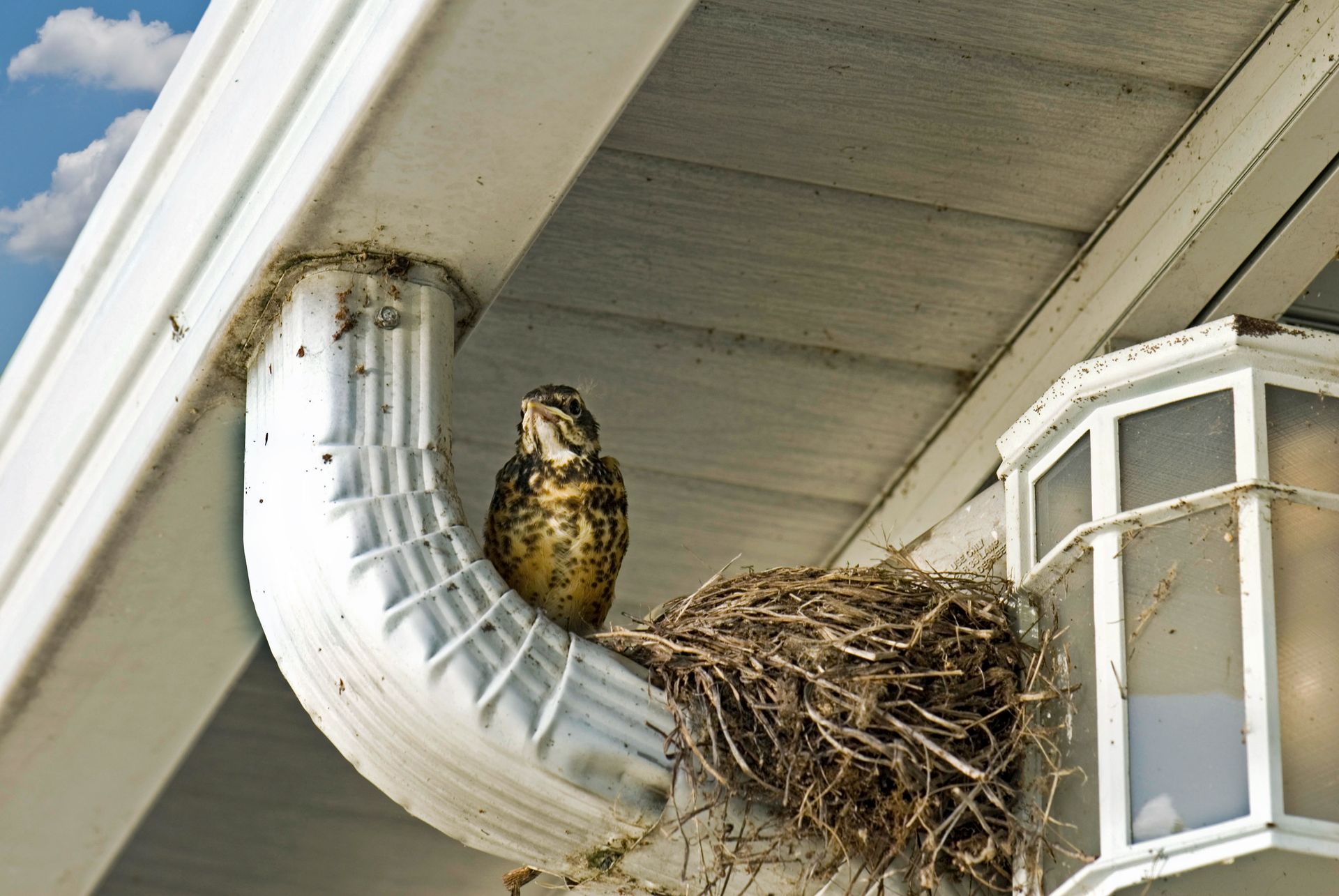
Understanding the behavior of birds and bats can help in managing their impact on your property. Birds might seek out your attic or eaves for nesting, while bats typically look for dark, quiet places. Both play vital roles in controlling insect populations, but their presence in your home may be unwelcome. Learning about their seasonal behaviors and migration patterns can inform your strategies for dealing with them. Knowledge is power in effective wildlife management.
Preventing Roosting and Nesting
There are various methods available to prevent birds and bats from roosting and nesting in unwanted areas. Installing bird spikes or netting can deter birds from perching or building nests. Similarly, bat houses can be placed in more suitable locations to relocate bats away from your home. Consistently checking and maintaining these deterrents can enhance their effectiveness. Proactive deterrence helps in avoiding more significant removal efforts down the line.
Utilizing Safe Removal Techniques for Bats
Safe removal techniques for bats emphasize the importance of human safety and animal welfare. Bats should be removed using exclusion methods where they can exit through one-way exits but cannot return. It's crucial to install these exclusions when bats are not caring for their young, to prevent the separation of bat families. Understanding the species' biological needs and local regulations further guides safe removal practices. Achieving removal without harm maintains ethical standards.
Handling Larger Wildlife Species
Identifying large wildlife threats involves assessing the presence of animals like deer, bears, or even coyotes. These animals can pose more significant risks, both to personal safety and property. Observing tracks, droppings, or damage can be the first step in identifying their presence. Understanding their behaviors and deterrent methods can guide appropriate response strategies. Awareness of these threats equips homeowners with preparedness and peace of mind.
Following Safety Tips for Encounters
Safety tips for encounters with large wildlife are critical for avoiding dangerous situations. Backing away slowly and never running can prevent provoking the animal. Making oneself appear larger and making noise can deter some animals from approaching. If a dangerous encounter is imminent, it’s vital to know which species-specific behaviors are recommended to minimize risk. Having this knowledge helps provide both personal safety and that of the wildlife.
Implementing Health and Safety Precautions
Health risks and safety precautions are immensely important when dealing with wildlife. Wild animals can carry diseases like rabies or Hantavirus that pose significant threats to human health. Proper hygiene practices, such as wearing gloves and masks when cleaning droppings, can mitigate these risks.
Educating yourself and others on these dangers helps in maintaining safety. Professional wildlife removal services are often the safest route for managing rodent control and animal relocation in the U.S. to avoid these health hazards.
Effectively managing wildlife requires understanding their behavior, implementing preventative measures, and, when necessary, using humane removal techniques. While challenges may arise, arming oneself with expert knowledge can lead to successful outcomes and coexistence with local wildlife. Remember that prevention is often more effective and less costly than remediation.
Maintaining vigilance and adherence to ethical practices provides safety and environmental balance. If you are struggling with unwanted guests and need a permanent solution, contact Trappro Humane Wildlife Removal today. Our team offers professional wildlife and rodent control services to help you reclaim your property safely and humanely.
Application techniques are the cornerstone of any successful roofing project. Certified professionals are trained to apply these techniques with precision and care. They understand the importance of correct alignment and spacing of shingles to prevent leaks and other issues. Incorrect installation can lead to weak spots and premature damage, making it essential to hire someone with verified skills. By adhering to industry standards, certified contractors verify that every roofing job is performed to a high standard.
Adapting to Various Roof Types
Experience with various roof types enables certified contractors to adapt their methods to suit the unique attributes of each project. These professionals have typically worked with numerous roof designs, from gable to hip, and everything in between. This diversity of experience means they can foresee challenges and tailor their approach accordingly. In the context of asphalt shingles, understanding different roof types helps in optimizing the fit and finish. Their expansive knowledge reduces errors, leading to seamless and aesthetically pleasing results.
Staying Current With Industry Trends
The roofing industry continually evolves, introducing new technologies and trends. Certified contractors stay current with these developments to provide modern solutions. Whether it involves new materials, enhanced installation techniques, or sustainable practices, they bring the latest innovations to your roofing project. This proactive approach allows homeowners to benefit from improved roofing solutions that offer better durability and performance.
Implementing Enhanced Safety Measures
Safety is a critical aspect of any roofing project. Certified contractors undergo rigorous training in Occupational Safety and Health Administration (OSHA) guidelines, which govern safe work practices. Adherence to these standards minimizes the risk of accidents and provides a secure working environment. Familiarity with safety regulations signifies a contractor’s commitment to protecting both their crew and the homeowner. It reassures clients that the roofing work is being conducted responsibly and professionally.
Utilizing Specialized Safety Equipment
A certified roofing contractor is equipped with specialized safety equipment designed to mitigate risks. Harnesses, helmets, and sturdy footwear are standard, protecting workers from falls and other potential injuries. These tools are essential given the physical demands and potential hazards present in roofing work. By employing this equipment, contractors not only safeguard themselves but also verify that the work adheres to high safety standards. Investing in certified professionals thus translates into a safer roofing process.
Executing Comprehensive Safety Protocols
Comprehensive safety protocols are integral to the work ethic of certified contractors. These protocols include thorough risk assessments and continual monitoring throughout the project. Detailed safety plans are formulated to address the unique conditions of each roofing job. This proactive safety planning minimizes disruptions and helps the project stay on track, fostering reliability. Such meticulous attention to safety is a hallmark of professional roofing services.
Maintaining Insurance and Liability
Insurance coverage is another significant advantage of hiring certified contractors. These professionals are typically insured, protecting against accidents and damage. Their liability insurance covers any mishaps, helping to see that homeowners are not financially responsible for unforeseen incidents. This coverage highlights their credibility and reassures clients of their professionalism. It is a critical factor that distinguishes certified contractors from unlicensed individuals, emphasizing the importance of hiring an expert.
Providing Quality Assurance
Certified roofing contractors have access to high-quality materials, leading to superior outcomes for roofing projects. They select products that offer resilience and longevity, tailored to the specific needs of each roof. According to Rooflink, asphalt shingles currently protect four out of every five homes throughout the United States. By leveraging top-tier versions of these materials, contractors enhance the durability and aesthetic appeal of the finished roof. High-quality materials are a critical aspect of the long-term performance of a shingle roof.
Following Manufacturer Specifications
Manufacturer specifications serve as a blueprint for roof installations, and certified contractors rigidly adhere to them. Following these guidelines helps materials perform optimally and meet warranty requirements. Non-certified contractors may overlook these details, potentially invalidating warranty protections. By sticking to manufacturer specifications, certified professionals provide accountability. This attention to detail safeguards the longevity and effectiveness of the roofing system.
Conducting Quality Control Checks
Quality control checks are routine practices among certified contractors to maintain high standards across all stages of the project. These systematic evaluations verify that each step is executed accurately and according to plan. By identifying and addressing discrepancies early, a roofing contractor can implement corrective measures promptly. Ongoing quality assurance is a testament to the competence of certified roofing contractors.
Performing Post-Installation Inspections
A thorough post-installation inspection marks the completion of a roofing project and affirms its quality and integrity. Certified contractors systematically review the work, verifying all components are correctly implemented. This assessment identifies any potential issues that may compromise the roof's performance. Such diligence underscores the contractor's dedication to delivering a durable roofing solution. The completion of a final inspection provides homeowners with confidence and peace of mind.
Meeting Local Building Codes
Compliance with local regulations and building codes is a fundamental aspect of roofing work. Certified contractors have in-depth knowledge of these rules through continuous education and practice. This understanding is critical, as non-compliance can result in legal issues, fines, and complications with future home transactions. Local codes often vary, and a certified roofing contractor verifies that each project aligns with regional requirements.
Managing Permit Acquisition
Acquiring necessary permits is a time-intensive and often complex task that certified contractors manage on behalf of their clients. They streamline the process, verifying all paperwork is submitted and approved before commencing work. This service exemplifies their commitment to operational efficiency. By handling permit acquisition, they expedite project initiation and prevent administrative delays. Their proficiency in navigating bureaucratic processes alleviates a significant burden for homeowners.
Securing Warranty and Insurance Protections
The validity of a manufacturer's warranty often depends on proper installation by certified professionals. Manufacturer warranties typically stipulate that installers must adhere to specific guidelines. Hiring a certified contractor maintains warranty validity. If issues arise, homeowners can rest assured that repairs or replacements will be covered under warranty provisions. Certified installation is essential to protect investments and maximize the security of roofing solutions.
Hiring a certified roofing contractor for shingle roof work provides numerous benefits, including expertise, safety, quality, compliance, warranty, and cost-effectiveness. It is a smart investment for a durable and reliable roof. By focusing on professional standards and high-quality materials, you provide long-term protection for your property and your family.
When it comes to your home’s most important defense, do not settle for anything less than certified excellence. Contact GreenCity Roofing & Siding today for a professional consultation and estimate. Our team is ready to provide the superior craftsmanship and reliable service your home deserves. Reach out to us to find a certified roofing contractor who will prioritize your home’s integrity and your peace of mind.