April 13, 2026
Humane wildlife removal offers a compassionate and effective approach to managing human-wildlife conflicts. By prioritizing non-lethal methods, respecting animal welfare, and supporting ecological balance, these strategies protect both people and wildlife. From reducing stress in relocated animals to preserving biodiversity and maintaining healthy ecosystems, humane removal reflects a modern understanding of coexistence. Incorporating ethical practices and innovative technology, this approach ensures that communities can manage wildlife responsibly while minimizing harm.
1. Humane Wildlife Removal
Humane wildlife removal encompasses strategies that avoid harm to animals while addressing human-wildlife conflicts. The core principles include the use of non-lethal techniques, respect for animal welfare, and the conservation of biodiversity. It emphasizes coexistence and aims to educate communities about the ecological roles of various species. Organizations implementing humane removal ensure that relocation occurs in suitable habitats with sustained monitoring. By focusing on ethical approaches, humane removal practices align with conservation goals while addressing public health and safety concerns.
Traditional wildlife removal methods often involve lethal measures, creating significant disruptions in local ecosystems. However, humane wildlife removal shifts the paradigm towards conservation through non-lethal strategies. For instance, exclusion, habitat modification, and deterrents can prevent wildlife from entering human areas. These methods not only prevent animal mortality but also encourage sustainable wildlife management. Proponents argue that humane approaches contribute to greater biodiversity, as they maintain population levels and prevent unnecessary loss.
Ethical wildlife removal takes into account the ecological importance and sentience of animals. These methods aim to achieve a balance between human needs and animal rights, ensuring minimal stress and harm. Practices that comply with humane standards help foster a culture of empathy and respect towards wildlife. By promoting non-lethal measures, stakeholders can improve public perception and support for conservation initiatives. Ethical wildlife removal techniques serve not only as a tool for conflict resolution but also as a means to safeguard animal welfare.
The history of wildlife removal reflects a shift from lethal to more humane procedures. In the past, extermination and culling were common practices, leading to severe impacts on biodiversity. These methods were justified by reasons like pest control, disease prevention, and crop protection. However, growing awareness of animal rights and ecological balance has shifted practices towards humane strategies. Over time, societies have recognized the need for conservation and non-lethal techniques to manage wildlife populations responsibly. Did you know? According to Shelter Animals Count, in the first half of 2025, 290,000 animals were euthanized.
The transition to humane wildlife removal began with greater ecological understanding and technological advances. Pioneers in wildlife management developed methods that focused on coexistence rather than eradication. Education and outreach efforts further helped to shift public opinion and policy toward humane approaches. As a result, humane strategies became more widely adopted, influencing laws and regulations internationally. This evolution in practices underscores the importance of integrating compassion into wildlife management strategies.
2. Impact on Animal Populations
Humane wildlife removal is critical for preserving biodiversity, as it prevents unnecessary animal deaths and safeguards ecological balance. Non-lethal methods protect species vulnerable to population declines caused by culling and habitat destruction. The maintenance of biodiversity ensures genetic variety, enhancing ecosystem resilience and stability. By integrating humane approaches, conservation efforts can foster healthier environments that support diverse species. This holistic strategy promotes sustainable development while respecting ecological integrity.
Biodiversity is enhanced when practices prioritize species conservation and population management. Humane wildlife removal acknowledges the important roles animals play within ecosystems. These practices help maintain complex interactions between different species, ensuring critical functions remain intact. As ecosystems flourish under humane management, each animal's ecological niche is preserved. This symbiotic relationship between wildlife and ecosystems highlights the importance of balancing human needs with ecological health.
The adoption of humane removal practices directly influences the survival and prosperity of animal populations. These methods help mitigate biodiversity loss by prioritizing habitat preservation and ethical interactions with wildlife. Ecosystems thrive when their natural processes and inhabitants are protected from harmful human interventions. The positive impacts of humane removal are evident in improved ecosystem services and increased ecological resilience. Such practices underscore the necessity of integrating ambitious conservation efforts into wildlife management strategies.
Humane wildlife removal techniques significantly reduce stress in animals, benefiting overall health and behavior. Inhumane methods often induce severe stress responses, causing long-term harm to animal populations. For instance, exposure to traumatic events can impair immunity, reproduction, and even survival rates. By contrast, non-lethal approaches prioritize animal welfare and minimize anxiety-inducing stimuli. Reduced stress levels allow wildlife to thrive, contributing to healthier ecosystems.
Stress reduction is achieved through using ethical techniques and strategic interventions. Non-invasive methods, such as using deterrents or altering habitats, decrease the interactions that cause stress in animals. By minimizing human handling and GPS tracking post-relocation, animals experience less anxiety. This thoughtful approach preserves natural behaviors and prevents the detrimental effects of traditional removal practices. The focus on well-being underscores the holistic nature of humane wildlife management strategies.
3. The Role of Technology in Humane Wildlife Removal
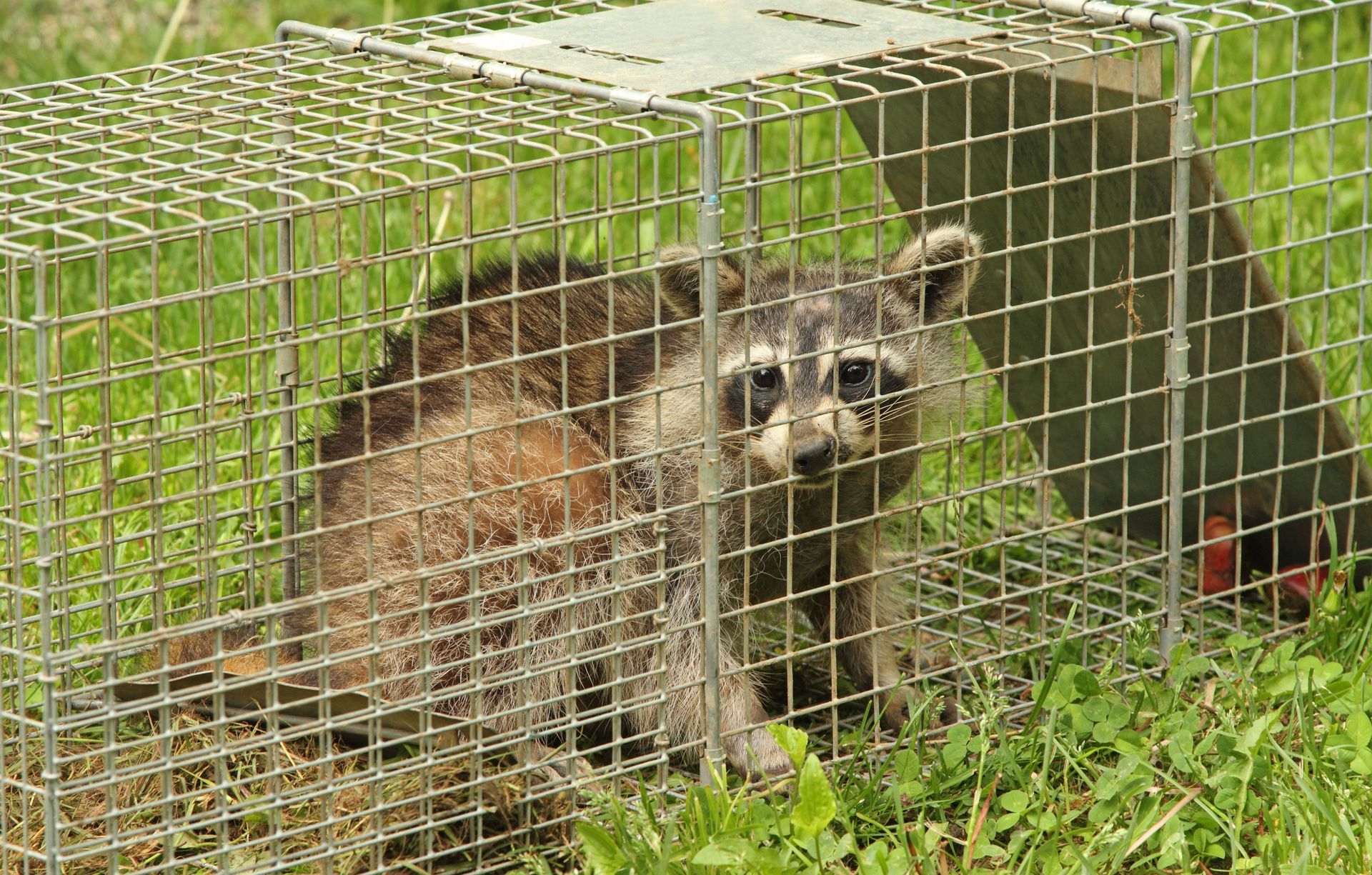
Technology plays a crucial role in advancing humane wildlife removal, particularly through innovative capture devices. These technologies focus on reducing stress and harm during capture and relocation operations. Devices like non-invasive traps and soft-release enclosures facilitate swift and gentle handling. Developments in humane capture equipment reflect advances in material science and engineering precision. Research-backed methodologies and technologies guarantee safe and effective removal solutions.
The use of humane capture devices minimizes the risks associated with traditional trapping methods. Advances in soft-catch mechanisms, automated systems, and custom-engineered enclosures underscore the shift towards ethical solutions. These devices prioritize animal welfare by ensuring minimal stress and injury. Gentle and swift capture minimizes the impact on animal metabolism while ensuring successful relocation. Engineers and researchers work collaboratively to improve design and techniques, setting a new standard in humane wildlife management.
Innovative devices not only ensure the welfare of wildlife but also bolster conservation efforts. Devices that emphasize safety and kinesthetic comfort gain approval from stakeholders and communities alike. These solutions benefit multiple stakeholders, improving public perception and allowing data collection for improved management strategies. Practical and ethical advantages motivate continued development, ensuring a diverse spectrum of solutions for humane wildlife capture. Ultimately, this synergy between technology and compassion bridges responsible wildlife management with conservation ambitions.
Monitoring and tracking technologies have revolutionized humane wildlife removal strategies, providing insights into animal behavior and population dynamics. GPS collars and radio telemetry equip practitioners with real-time data regarding animal movement and interactions. Moreover, advancements in satellite tracking offer enhanced precision, helping determine safe release points and post-relocation monitoring efforts. These technologies support long-term population studies while ensuring successful reintegration. The comprehensive monitoring processes facilitate understanding of species dynamics, enhancing management effectiveness.
Tracking technologies support wildlife conservation by equipping practitioners with actionable insights into ecosystem processes. They facilitate data-driven decision-making, improving relocation success and population health. By understanding movement patterns, stakeholders can manage conflicts and optimize wildlife interventions accordingly. Monitoring eliminates assumptions and prevents resources from being inefficiently employed. Importantly, this holistic approach demonstrates how technology complements ethical strategies in humane wildlife management.
Choosing humane wildlife removal is not only an ethical choice—it’s a strategic one that safeguards ecosystems, supports animal populations, and protects human interests. By implementing non-lethal techniques, leveraging advanced capture technologies, and focusing on conservation, homeowners and communities can address wildlife conflicts responsibly. Don’t wait until wildlife becomes a problem—reach out to Trappro Humane Wildlife Removal today to protect your property, support local biodiversity, and foster a safer, more sustainable environment for all.